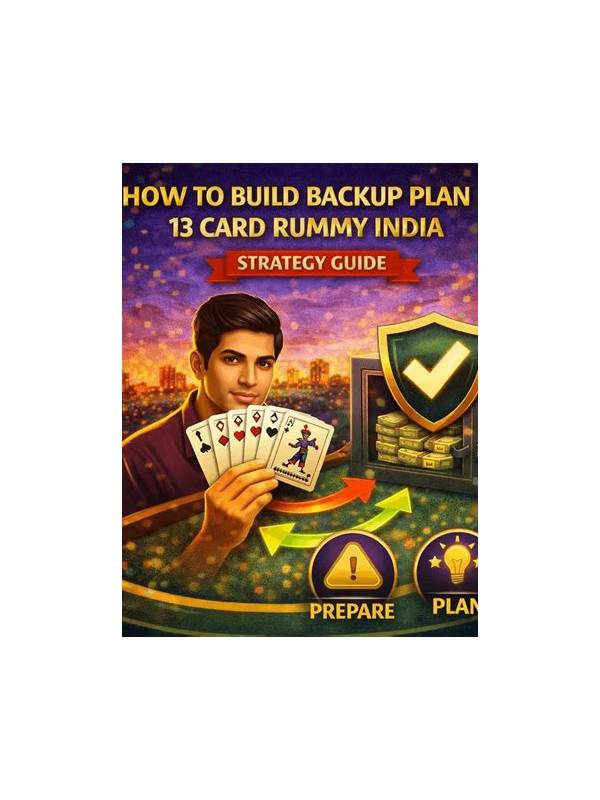
Rummy FAQ: What Is a Good Reason to Change Plans?

What is a good reason to change plans in rummy? Change plans when new evidence materially changes the comparison between your current route and a realistic alternative. A feeling of impatience is not evidence by itself, but a duplicate draw, a blocked connector, or a new legal requirement may be.
Four triggers are especially useful. The first is legality: your intended arrangement cannot satisfy the table’s rules, or another arrangement makes legality clearer. The second is completion prospect: the cards you are waiting for have become less realistic, while a different group has gained concrete support. The third is risk: point exposure, turn pressure, or the chance of helping another player has changed. The fourth is cost: keeping the old plan now prevents a stronger group from developing.
A plan change does not require discarding everything associated with the old idea. Preserve secure groups when possible and move only the cards whose roles became weak. This controlled pivot prevents one disappointing draw from causing unnecessary damage. State the change in one sentence, such as “the missing card is too narrow, so I will develop the supported set instead.” If you cannot explain the reason, wait for more information or review the hand again.
Avoid changing plans merely because another player made an unexpected move. Opponent behavior can be a clue, but it should not override your own structure without supporting evidence. Also avoid switching repeatedly between two equally uncertain ideas. Set a short commitment window and reassess at the next meaningful checkpoint.
The best plan is not the one you chose first. It is the one that remains strongest after the available evidence is updated. Treating a pivot as a reasoned response rather than a failure helps you stay flexible without becoming directionless.
Related Post
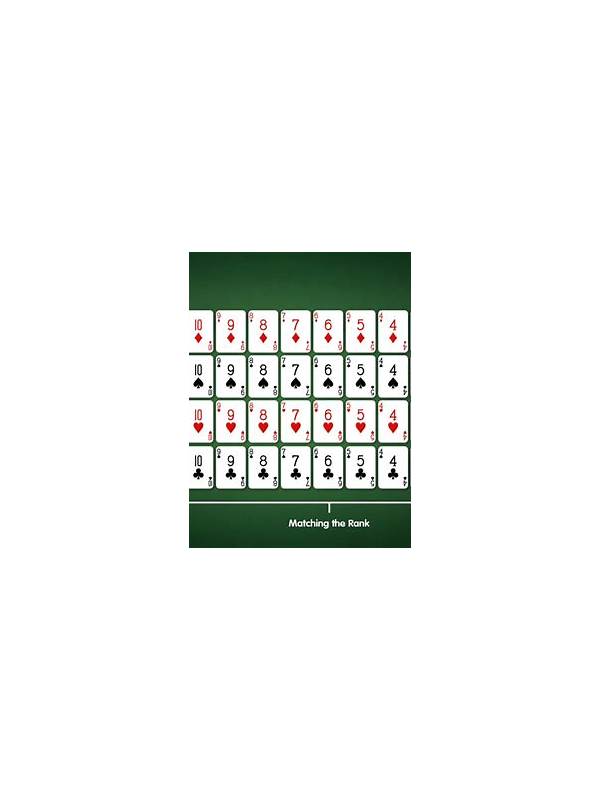
Rummy Comparison: Rank Cards by Structure and Penalty
Comparing structural usefulness with point penalty creates a balanced way to evaluate rummy cards. [...]
Rummy FAQ: When Should You Re-Sort Your Hand?
Re-sorting at the right moments makes changing combinations easier to see and reduces avoidable discard [...]