Rummy Guide: Prepare a Variant Changeover Routine

Players who move between rummy variants can make avoidable mistakes because familiar habits feel automatic. A changeover routine creates a deliberate boundary between formats. It takes only a few minutes and protects both play quality and the accuracy of a final declaration.
Before joining the new table, identify the essentials: number of players, starting hand size, deck configuration, joker treatment, scoring method, and the definition of a legal declaration. Do not rely on a title or a familiar interface. Two tables can use similar names while applying different rules to sequences, sets, drops, or penalties.
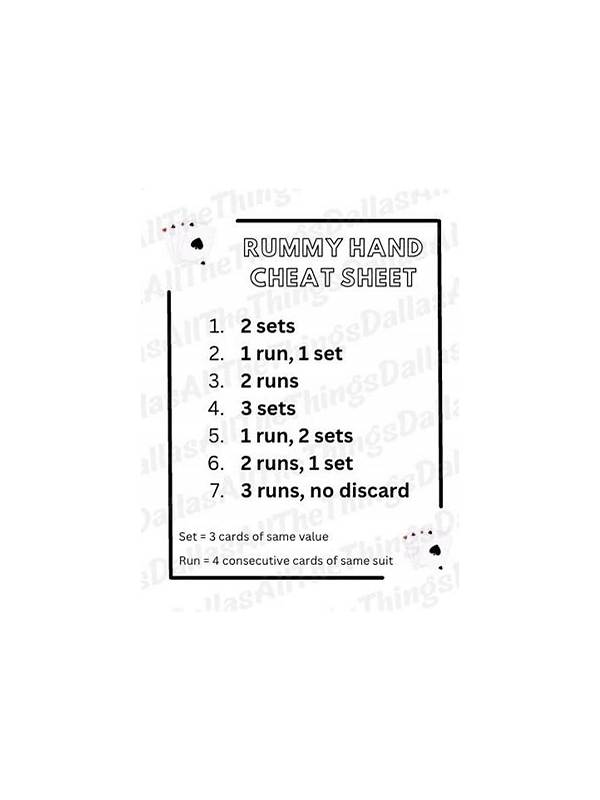
Write the differences in a compact rule card. Use positive instructions such as “two natural sequences required” or “wild card may substitute here,” rather than a long paragraph of general reminders. Include the action order for a turn and any time or entry conditions that could affect a decision. If the table provides official rules, read the relevant section directly and save a reference you can revisit.
Next, run a low-pressure practice check. Deal or view a sample hand and ask whether you can identify a legal sequence, an invalid group, and the correct end-of-turn action. This test is not about winning. It reveals whether the new rules are available in memory when the hand becomes busy. If you hesitate, keep the rule card visible and avoid a paid or time-sensitive table until the basics feel clear.
After the first round, note any rule that surprised you. Update the card before switching again. A changeover routine is useful because it turns vague familiarity into explicit preparation. The goal is not to memorize every edge case; it is to notice the differences that can change a draw, discard, score, or declaration. Clear boundaries make variant changes calmer and more accurate.
Related Post
Rummy Hand Labels: A Simple Naming System for Practice
Learn how short labels can make rummy hand reviews clearer and easier to compare. [...]
Rummy FAQ: When Should You Break Up a Pair?
An FAQ-style explanation of when a pair is less useful than a developing sequence. [...]