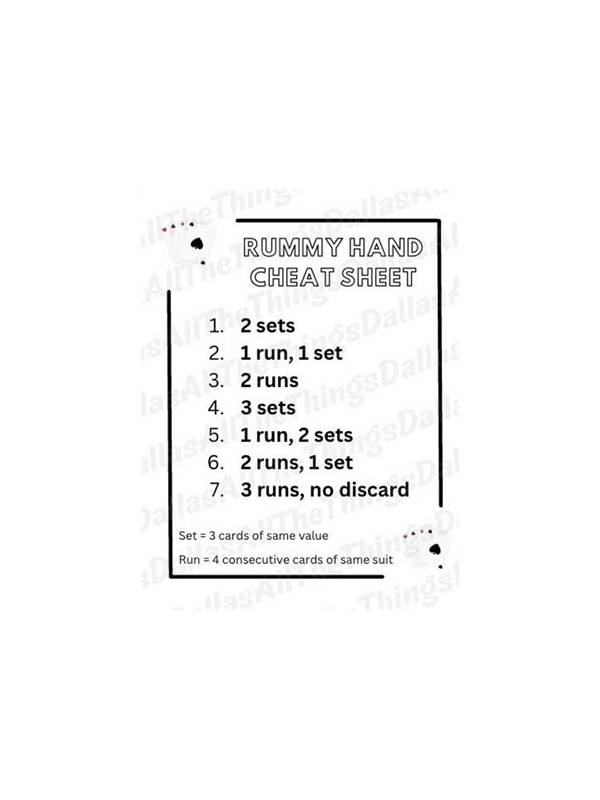
Rummy Tips: Make Your Discard Reason Easy to Explain
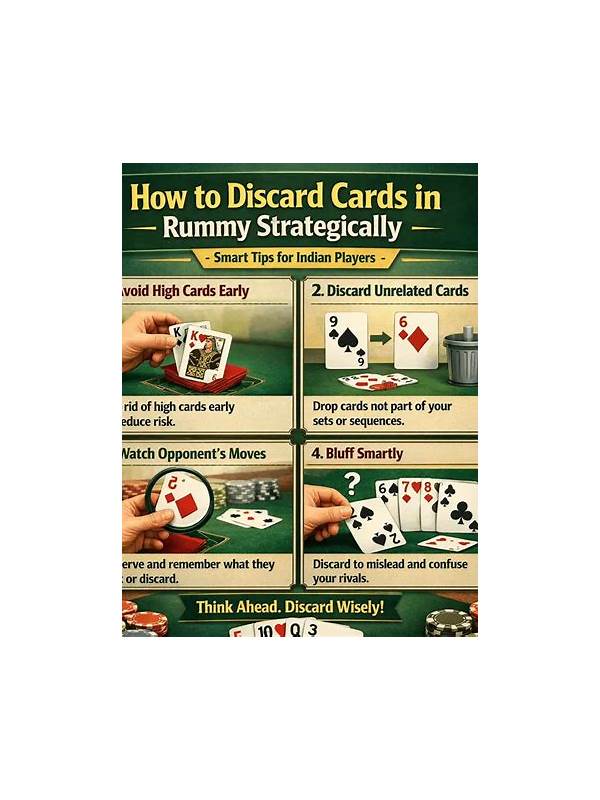
The explanation should remain true even if the next card is unlucky. “I released it because it had the fewest current jobs” is stronger than “it was a bad card,” because the first statement can be checked against the hand. Clear reasons make post-game review practical and keep outcomes from rewriting the decision.
Use a sentence that names the alternative you rejected. For example, say that the card was released because keeping it protected a narrow pair while another card completed a cleaner route. This format makes the tradeoff visible and helps you notice when a discard was based on habit rather than on the current structure.
A useful practice test is to explain every discard in one sentence. The sentence does not need to predict the winner. It only needs to state what changed in your hand and why the released card was the least useful option at that moment.
Good explanations name structure and timing. “I discarded the high loose card because it supported no current group and the pair had one more turn of deadline” is specific. “It felt bad” is understandable but not a decision rule. A precise sentence makes later review possible.
If you cannot explain a discard briefly, pause and sort the hand again. You may have missed a completed group, counted a card twice, or allowed a speculative connection to dominate your view. Rechecking is especially important when the interface rearranges cards automatically after a draw.
Do not confuse a clear explanation with a guarantee. A sensible discard can be followed by an opponent drawing the exact card you released. That outcome does not automatically make the discard wrong. Evaluate the information and alternatives that were available before the result appeared.
Use explanations to compare options. For each possible discard, state what it removes, what it protects, and what future draw would make you regret the choice. Choose the card whose removal causes the smallest structural loss. If two options are close, prefer the one that leaves a simpler hand and fewer high-cost loose cards.
Keep the exercise private and brief. Writing a sentence after every turn can slow a live game, so use it during practice or after a session. Over time, the habit becomes internal: identify the card’s job, check its alternatives, and release it for a reason you can name. That is a practical bridge between instinct and disciplined play.
Related Post
Rummy Comparison: Keep a Plan or Keep a Card?
Comparing a complete hand plan with the value of one attractive card helps prevent attachment [...]
Rummy FAQ: What Happens When the Timer Expires?
Knowing how a table handles an expired timer helps players prepare for interruptions and avoid [...]