Rummy Comparison: Open Information Versus Hidden Information

This distinction is helpful after a surprising result. Ask whether the action was reasonable using open information at the time. A later reveal can explain what happened, but it cannot turn an unknown fact into something you should have known. Reviewing that boundary supports learning without unnecessary self-blame.
Keep the boundary explicit during quick play. Say “I know this card was discarded” separately from “I think the opponent does not need this suit.” The first statement is evidence; the second is a hypothesis. Both can guide a decision, but they should not receive equal confidence or equal weight.
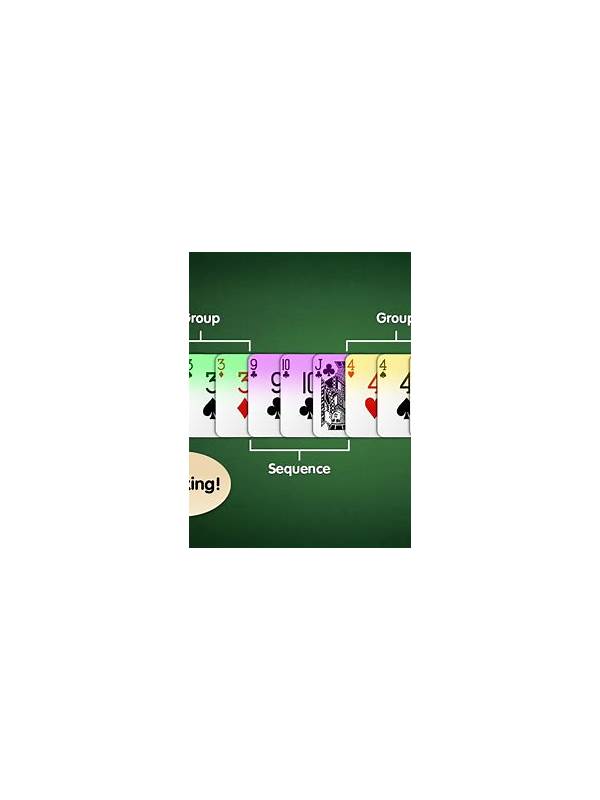
Rummy decisions use two kinds of information. Open information includes your hand, visible discards, table rules, and public actions. Hidden information includes opponents’ hands and cards still in the draw pile. Problems begin when a player treats a guess about hidden information as if it were an observed fact.
Open information deserves the strongest weight. If a needed card is in your hand, you know it. If a copy is visible in the discard pile, you know it has appeared. If the rules require two sequences, you can verify that requirement. Build decisions from these facts before considering what another player might hold.
Hidden information can still guide attention, but it should remain conditional. Instead of saying “the opponent has the nine,” say “if the opponent took the eight, the nine may be relevant.” That wording keeps your plan flexible. A single discard or pickup rarely proves an entire hand because players can be forced into awkward choices.
Compare the two information types whenever you are tempted to make a risky hold. If your hand has a clean improvement available from open information, it may be better than chasing a card based on a speculative read. If no clear route exists, a soft read can help you choose between similarly weak options, but it should not become certainty.
This distinction also improves emotional control. Hidden information creates natural uncertainty; it is not evidence that you played badly. Review whether your action was reasonable with the information available at the time. Judge the process, not the card that happened to appear later.
For practice, watch a replay with two columns labeled known and assumed. Put every observation in the first column and every interpretation in the second. At the end, cross out assumptions that were never confirmed. The exercise sharpens attention and makes future choices calmer, because you learn exactly where your knowledge ends.
Related Post
Rummy FAQ: What Is a Card Role Change?
A card role change happens when new evidence makes a card useful for a different [...]
Rummy How-To: Make a Discard Candidate Shortlist
A short discard shortlist helps you compare risk before committing to a single card. [...]