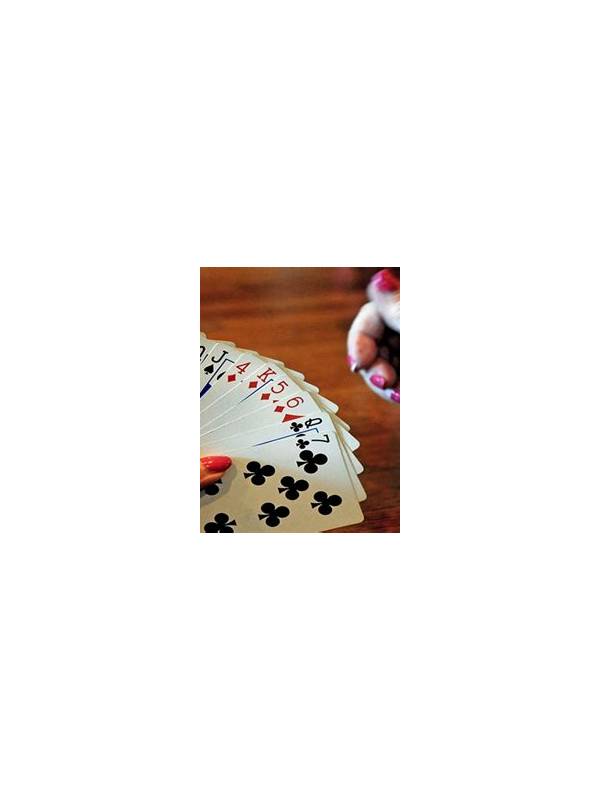
Rummy How-To: Review a Round With a Decision Timeline
Post-round review works best when it is specific. Saying that a hand “went badly” does not identify a skill to practice. A decision timeline gives each important turn a place: what you knew, what you considered, what you chose, and what changed afterward. The purpose is learning, not proving that the final result was deserved.
Start with the opening hand and write its two or three strongest structures. Note which cards were flexible and which were expensive to hold. Then mark the first decision that changed your plan. It may have been an open draw, a useful discard from another player, or the discovery that a hoped-for connector was no longer available.
For each turning point, use four prompts. What information was visible? What were the realistic alternatives? What risk did each alternative carry? What did you expect to happen next? Keep the answers short. If you cannot remember an option, say so rather than filling the gap with knowledge from the eventual outcome.
Separate decision quality from result quality. A reasonable choice can lose because the needed card never appears, while a weak choice can succeed through good fortune. Ask whether the choice made sense with the information available at the time. If it did not, identify the earlier trigger you missed: a dead card, a safer structure, a timing signal, or a rule detail.
Finish with one experiment for the next session. For example, you might review flexible cards after every second draw or pause before taking a tempting discard. One experiment is easier to observe than a list of ten resolutions. Keep the timeline for several rounds and look for repeated patterns. A review habit becomes valuable when it changes the next decision, not when it produces the longest notes.
If the round was played online, use the platform’s history or result screen only when it is an official feature. Avoid collecting screenshots that show usernames, balances, or other personal details. A private timeline can be a numbered list in a notebook. What matters is preserving the decision context and rule set, so future reviews compare like with like.
End the review by writing the smallest change you can test. “Be more careful” is difficult to observe, while “name one fallback before drawing” is concrete. A timeline should produce an experiment that fits the next session. That connection is what turns memory into practice.
Related Post
Rummy FAQ: Why Can a Low Card Still Be a Bad Keep?
Low point value does not automatically make a card useful, flexible, or safe to retain. [...]
Rummy Guide: Count Information Before Counting Cards
A practical guide to weighing what each draw and discard actually tells you. [...]