Rummy Strategy: Protect a Complete Sequence From Unnecessary Changes
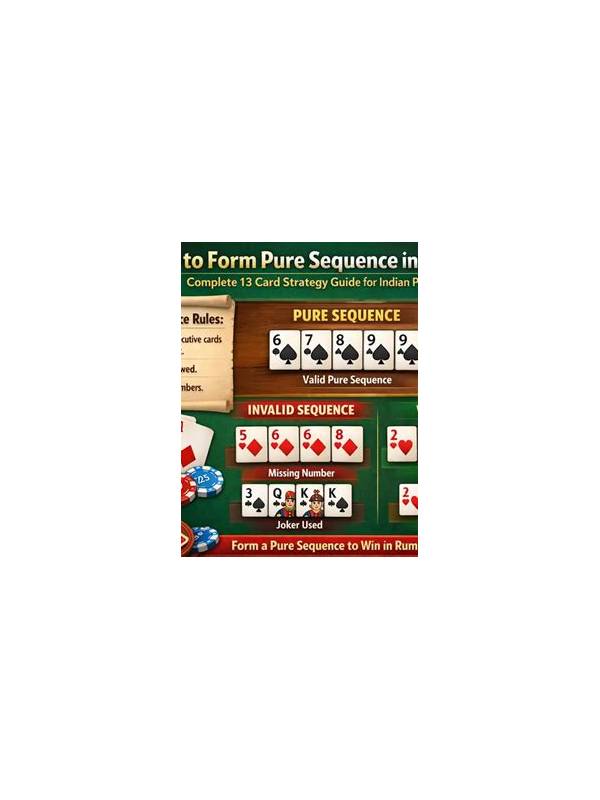
A complete sequence can feel less exciting than a possible improvement, so players sometimes disturb it without a clear reason. That creates risk: a secure group becomes confused, a useful card is exposed, or the hand is reorganized so quickly that a legal option is missed. Protection does not mean refusing every change; it means requiring a reason before breaking stability.
First confirm what “complete” means under the current variant. Some formats require a natural sequence, while others allow particular wild cards or different lengths. Once the group satisfies the rule, label it mentally as protected. Inspect the remaining cards separately so that unfinished ideas do not make you question a group that already works.
Break a protected sequence only for a measurable benefit. A possible reason might be creating a second required natural sequence, reducing a large penalty, or responding to a rule that makes the current arrangement invalid. “This other card might help” is not enough. Compare the guaranteed value of the complete group with the uncertain value of the new plan.
Keep the physical or digital layout stable. Place secure groups together and leave loose cards in a separate area. If you must rearrange, do it in one deliberate pass and verify each group afterward. This simple routine is especially helpful late in a timed round, when visual confusion can cause an otherwise avoidable declaration mistake.
Protection also applies to attention. Once a group is secure, stop spending every turn reconsidering it. Direct your analysis to the unfinished groups and the discard decision. A protected sequence is not just a scoring asset; it is a saved piece of mental capacity. Use that capacity to solve the parts of the hand that still need evidence.
One useful check is to count the cards before and after any rearrangement. If a secure group appears to create a tempting gap elsewhere, pause and identify the exact gain. If you cannot name the gain, restore the protected layout. This discipline is valuable in physical and digital play, where a quick drag or pickup can make the hand look different without improving it.
This approach also improves communication in friendly games. If someone asks why you changed a group, you can explain the benefit rather than defending a vague feeling. Clear explanations help the table distinguish a legal strategic adjustment from an accidental misplacement, which reduces needless disputes.
Related Post
Rummy FAQ: When Is a Sequence Better Than a Set?
A sequence is not automatically better than a set; the stronger choice depends on requirements, [...]
Rummy How-To: Review a Close Loss Without Blaming Luck
A neutral post-game method for finding one improvement after a hand that nearly worked. [...]