Rummy FAQ: Should You Sort by Suit or by Rank First?
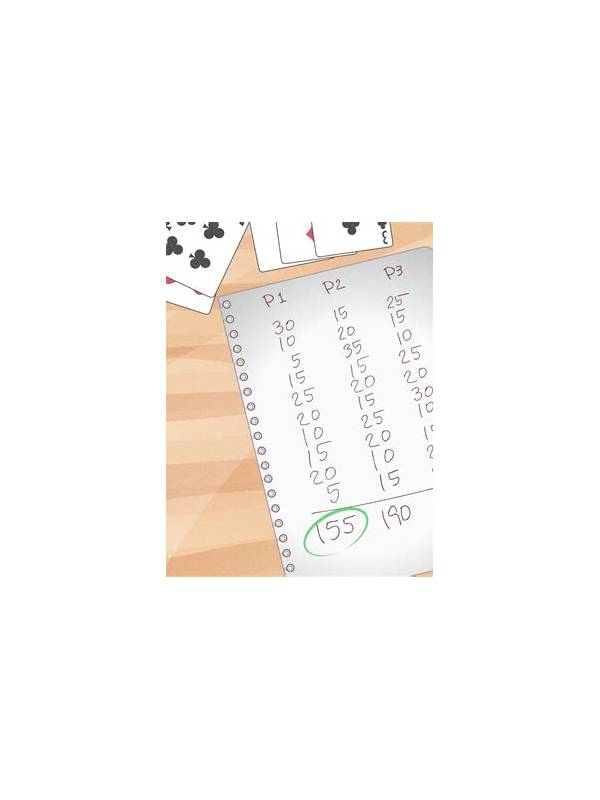
Sorting by suit makes sequences easy to see. Sorting by rank makes sets easy to see. Neither method is permanently superior, because the useful structure depends on your cards and the table’s rules.
Begin with a quick suit sort when you have several neighboring cards. This reveals runs, gaps, and edge cards. Then make a temporary rank check for duplicates. The two-stage process takes little time and prevents a strong set opportunity from being hidden inside a neat suit arrangement.
If your hand has many repeated ranks but few connected suits, rank may be the better first view. Group duplicates, then inspect whether the remaining cards can form a natural sequence. If your hand contains long same-suit chains, suit should remain the primary layout while rank is used as a verification step.
Do not confuse visual order with commitment. A card can be placed beside another for convenience without deciding that the pair must stay together. Mark groups as strong, possible, or isolated. This keeps the sorting process from making the decision for you.
Use the same layout throughout a practice session. Consistency reduces the time spent translating the screen or physical hand and makes review easier. If the interface automatically sorts cards, learn how to change or supplement that view rather than fighting it during a rushed turn.
The practical answer is to inspect both dimensions: suit first for sequence potential, rank first for set potential, and then compare the plans. Good sorting is not decoration. It is a quick way to expose options, liabilities, and the cards that deserve a deadline.
When a table is fast, prioritize accuracy over a perfect arrangement. Place the obvious groups first, leave uncertain cards in a separate row, and revisit them after the draw. This reduces the chance that a rushed sorting gesture hides a card or causes you to misremember its suit. A simple layout is valuable because it remains usable under pressure. When comparing layouts, judge them by retrieval time. Can you immediately find the card that needs a decision? Can you see whether a group is legal? Can you move one card without losing the rest of the plan? Keep the arrangement that answers those questions fastest, even if another layout looks more orderly. A useful test is to close your eyes briefly after sorting and name the cards in each active group. If you cannot, the layout may be visually neat but cognitively confusing. Practice until the arrangement lets you retrieve the relevant card quickly. This is especially helpful when several suits share similar colors or symbols.
Related Post
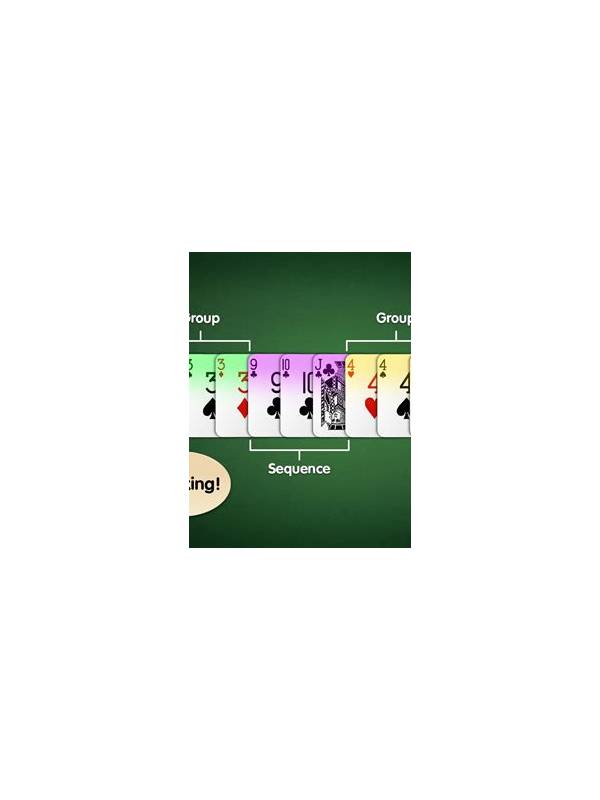
Rummy Practice: Explain One Discard in Plain Language
A short explanation exercise reveals whether your discard decisions are actually clear. [...]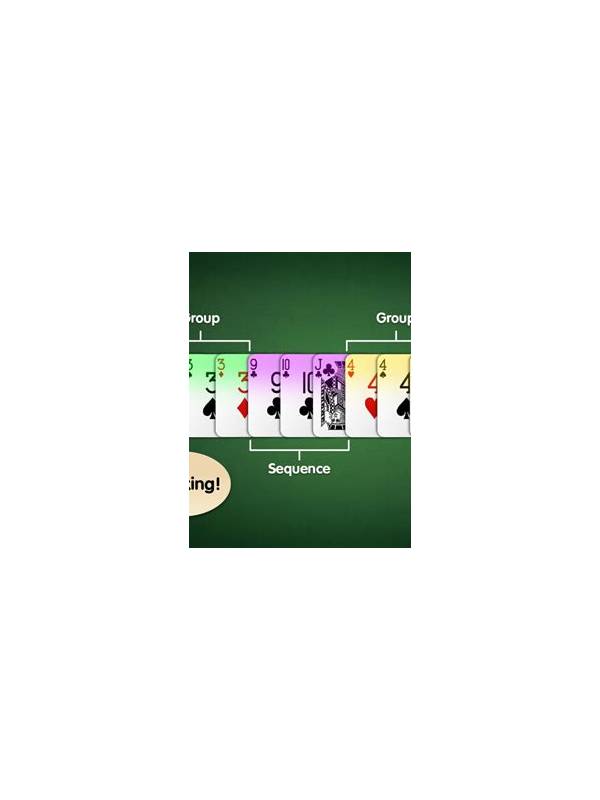
Rummy Hand Inventory: A Two-Minute Sorting Routine
A quick inventory routine helps players see structure before making a rushed rummy move. [...]