Rummy How-To: Test a Discard Against Three Future Draws
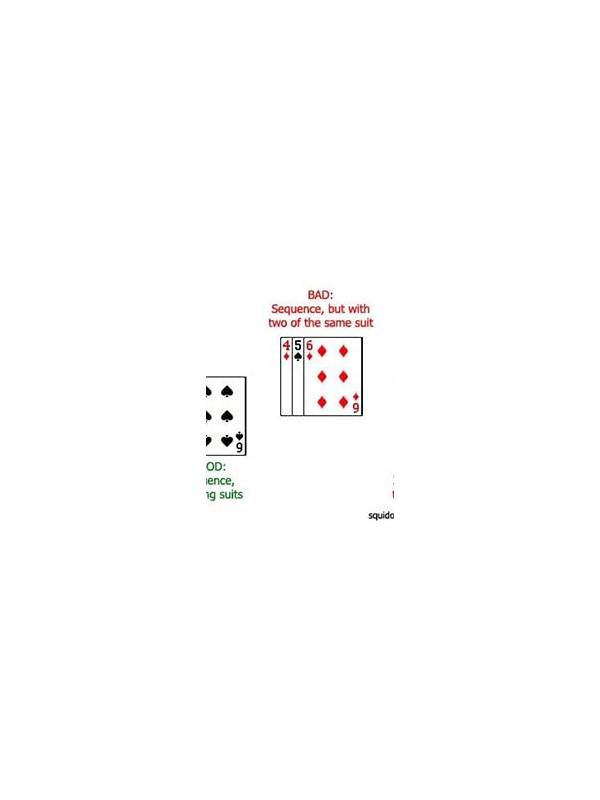
When two discards look equally weak, test them against future possibilities. The goal is not to forecast the exact next card. It is to see which choice leaves your hand open to more reasonable improvements while limiting avoidable risk.
Choose the two candidates and imagine three broad draw types for each: a card that extends a sequence, a card that matches a rank, and a complete miss. For every scenario, ask what you would discard next. If one candidate has a clear response in all three cases and the other creates confusion after a miss, the first may be the stronger practical choice.
Keep the test compact. You are evaluating hand flexibility, not constructing a complete probability tree. A card is flexible when several distinct draws improve it or when it can move between plausible groups. An expensive orphan is usually less flexible, but a high card that completes a required route can still be valuable. Always apply the rules of the variant before general card-value habits.
Add a table-awareness question: which candidate gives an opponent more useful information or access? If one discard completes a visible pattern for another player, that matters. However, do not sacrifice a nearly impossible personal route merely to avoid a speculative gift. Compare the defensive concern with the number of useful draws your own hand still has.
The test is especially effective after a hand changes suddenly. A lucky pickup can create several attractive fragments, and the three-draw check exposes which fragment has real resilience. It also slows down the common mistake of protecting a card because it was just drawn. Freshness is not evidence of value.
Use this exercise in review mode. Pause before a difficult discard, record both options, and write one sentence for each future-draw scenario. After the round, compare your notes with the actual cards. Do not grade the method by whether one imagined draw occurred. Grade it by whether the chosen discard preserved a sensible plan, reduced dead weight, and kept the hand easy to reassess.
You can make the scenarios more concrete with a small practice deck or a paper list of possible draws. Select examples that differ in usefulness rather than simulating a whole round. Notice which discard leaves a clear next action after an unhelpful card. That quality matters because many turns produce no immediate improvement. A hand that remains understandable after a miss is often easier to recover than one built around a single hoped-for card.
Related Post
Rummy Comparison: Flexible Cards Versus Completed Groups
Understand the different jobs of flexible cards and completed groups when planning a hand. [...]
Rummy FAQ: When Should You Rebuild Your Plan?
Rebuilding a rummy plan is useful when new evidence changes the hand’s strongest structure. [...]