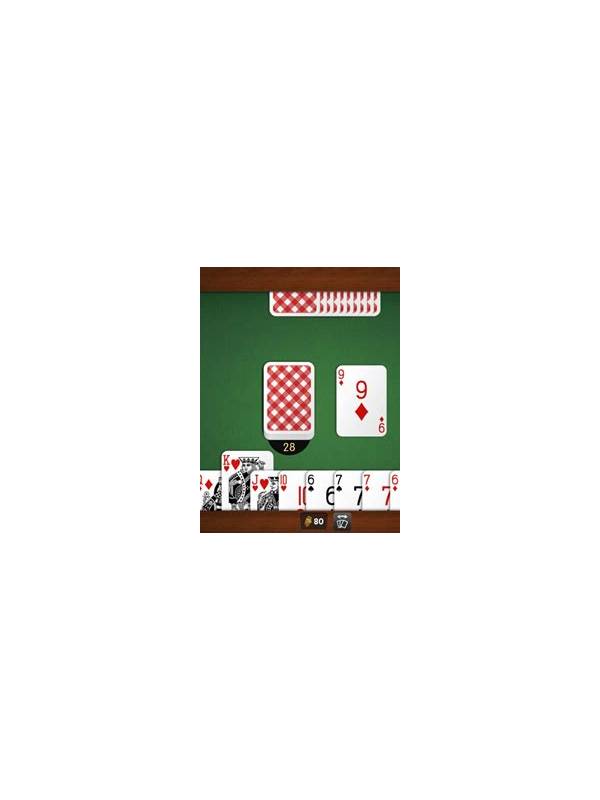
Rummy Practice: Explain Three Legal Alternatives
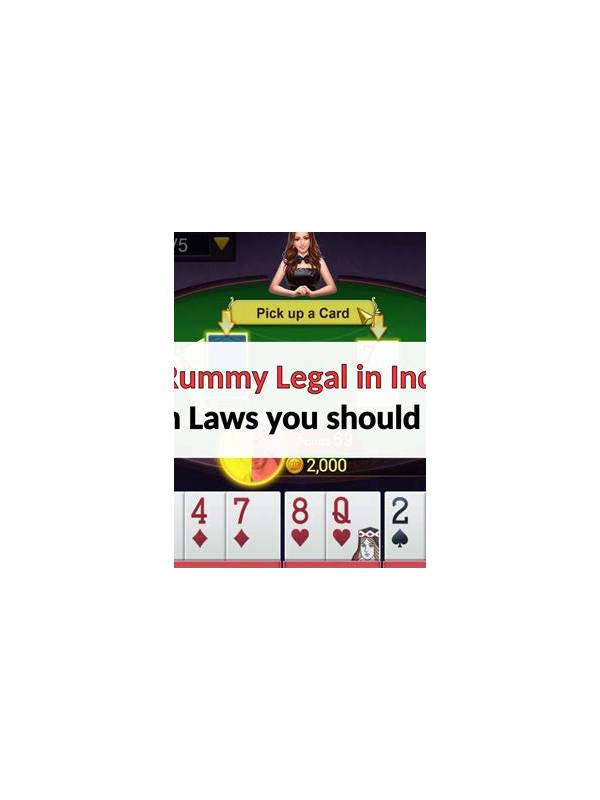
Many rummy decisions become difficult because a hand can be arranged in more than one legal-looking way. A useful practice drill is to find three alternatives and explain each in plain language. You are not searching for a guaranteed winning arrangement. You are learning to see how one card assignment can change the strength and risk of the entire hand.
Choose a completed hand or create one with a mixture of pairs, connectors, and one or two high cards. Before checking any outcome, arrange the cards into a primary plan. Then deliberately move one shared card and build a second plan. For the third plan, protect the required natural sequence first and arrange the remaining cards around it. Write each group once so no card is counted twice.
For every alternative, answer four questions. Which group is already secure? Which card is the most dependent on a future draw? Which cards can move to another group if the plan fails? What is the point cost if the round ends before completion? These questions turn a visual puzzle into a comparison of resilience. A plan that looks less elegant may have a much safer exit.
Include jokers only after identifying what the natural cards can do. Mark the job assigned to each joker and ask whether another use would create a better legal structure. This prevents the drill from treating a joker as a solution to every problem. Also check the variant’s declaration requirements, since an arrangement can be mathematically tidy but invalid under the table rules.
Once the three plans are written, rank them for opening, middle, and late-round play. The best opening plan may preserve options, while the best late plan may minimize penalty points and confirm a declaration. Explain why the ranking changes. This phase-based comparison is more useful than choosing one arrangement as universally correct.
Repeat the exercise with a time limit. Start with two minutes, then reduce it as your explanations become clearer. Keep the final notes short: “secure pure sequence, one narrow set, low exit cost.” The drill succeeds when you can describe tradeoffs without becoming attached to the first layout you see. Over time, it strengthens both hand reading and calm decision-making at a live table. Ask another player to explain the same three arrangements without seeing your ranking. Compare the reasons rather than deciding who is absolutely right. Different legal plans may suit different stages of the round, and discussing that difference builds useful vocabulary.
Related Post
Rummy Safety: Take Screenshots Without Exposing Account Data
Careful screenshot habits preserve useful evidence while reducing the chance of exposing private account details. [...]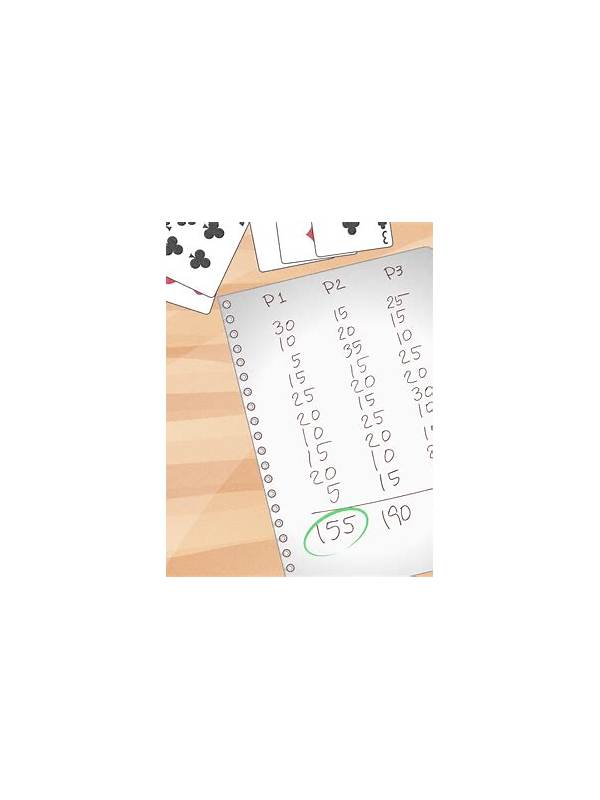
Rummy FAQ: How Should You Review a Table Position?
Table position is best reviewed through turn timing, visible actions, and your own remaining options [...]