Rummy FAQ: What Is a Useful Backup Plan?
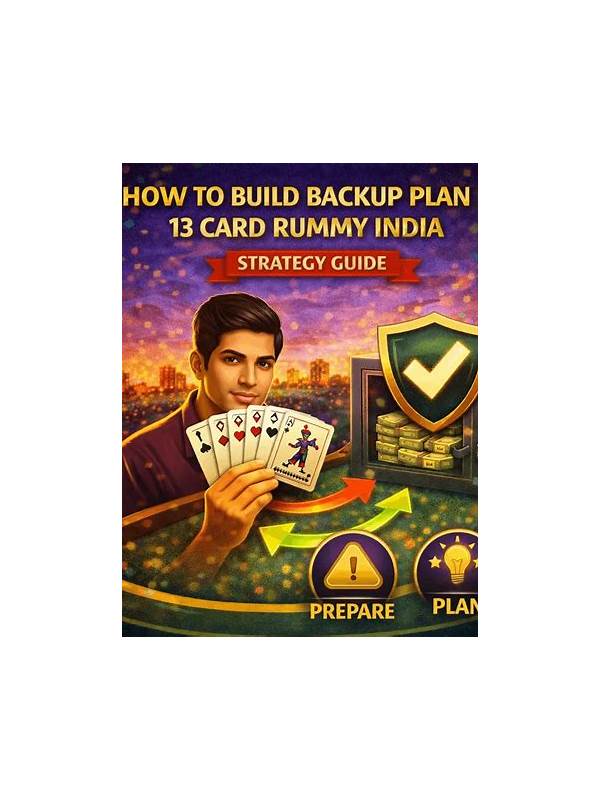
A useful backup plan is a second realistic way to improve the hand if the primary plan does not develop. It is not a reason to hold every pair, connector, and joker indefinitely. Good backups are limited, visible, and easy to abandon.
Start with one primary structure. This might be a near-complete sequence or a set with several plausible matching cards. Then identify one backup that shares little dependence with the primary. If both plans need the same single card, they are really one narrow plan. A backup should increase resilience, not create a longer wish list.
Measure the cost of keeping it. Does the backup require holding a high penalty card? Does it use a card that could complete the primary group? Does it leave several unrelated singles in the hand? If the cost is large, label the backup temporary and set a reassessment point after the next draw.
Visible information should update the plan. A discarded card can reduce the appeal of one route, while a new draw can make the backup stronger. Do not treat a player’s action as certain evidence of their hand. It is safer to say “this route has fewer visible options” than “the opponent definitely holds the card.”
A simple rule is to keep one primary plan, one backup, and a discard candidate. When a card completes the primary plan, reassess the backup rather than automatically preserving it. When both plans become weak, reset the hand and choose based on the current cards, not the effort already spent.
Practise by drawing random hands and writing the three labels. The exercise teaches selective flexibility. In live play, use the same approach without chasing a missed card or extending a session beyond your time and spending boundaries. The best backup is often one you can describe in a single sentence. For example, “keep these two suited cards until the next draw, then release them if no neighbor appears.” A sentence creates a boundary and reduces attachment. Avoid maintaining a backup simply because you have already spent several turns on it. New information can make an old plan irrelevant, and resetting is a normal part of hand management. If you are uncertain whether a route is permitted, stop and check the official rules rather than using a backup to conceal the uncertainty. Learning sessions should reward clear decisions and safe limits. If both routes depend on the same draw, call them one plan and lower its priority. A genuine backup should survive at least one ordinary miss and still leave a sensible discard. This simple distinction keeps flexibility from becoming clutter.
Related Post

Rummy Safety: Create a Pause After a Frustrating Hand
A planned pause after a frustrating rummy hand protects decision quality and spending boundaries. [...]
Rummy Table Notes That Improve Focus Without Slowing Play
Use a compact note system to remember decisions and patterns without interrupting a rummy session. [...]