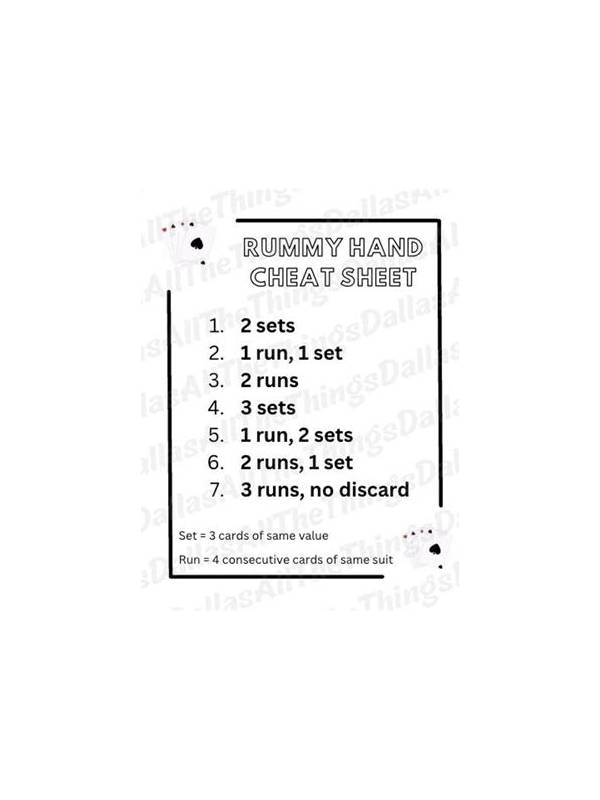
Rummy Practice: Compare Two Discards Without Looking at Results
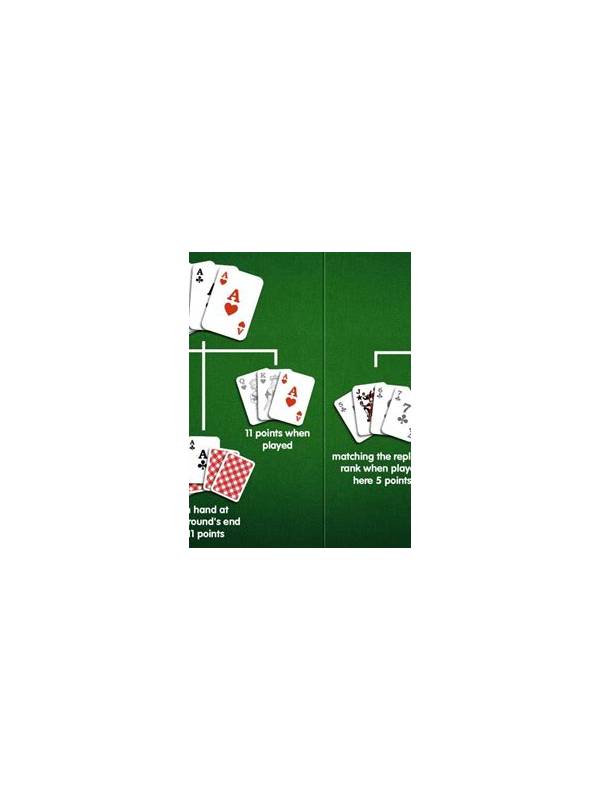
A strong practice drill begins just before a difficult discard. Pause a sample hand, choose two plausible cards, and write down the reason for each. Then continue the hand without changing your evaluation because of the result. This teaches you to compare structure, penalty, and flexibility rather than rewarding whichever choice happened to receive a lucky draw.
For each candidate, describe what remains after it leaves. Does the hand retain a required pure sequence? Does one route become impossible? How many cards can improve the remaining groups? Record the point penalty of the card, but do not let printed value dominate the analysis. A low-value card that blocks a useful connector can be more costly than a higher-value isolated card.
Next, consider information. Taking or releasing a card may make your plan more visible, and an open discard may influence an opponent. These factors matter, but they should be secondary to maintaining a legal and flexible hand. Do not invent elaborate psychological explanations for a simple choice.
Continue the exercise for three turns. If one candidate would have produced an attractive group, note it as an outcome, not proof that it was the correct original decision. Re-evaluate using only the information that was available at the earlier moment. This distinction is the core of the drill.
Use a small scoring sheet with four categories: legality, structure, penalty, and flexibility. Give each candidate a brief note instead of pretending to calculate a perfect number. For example, one discard may score well on penalty but poorly on structure, while another preserves two routes but leaves more points. The point is to make trade-offs visible.
Repeat with hands where the better choice is not obvious. If every exercise has a clear answer, the drill will not prepare you for real uncertainty. Compare your written reasons with a later review and ask whether your decision rule was applied consistently. Change the rule only when you can explain why it failed.
This method builds a calm habit: before discarding, name the alternatives and the cost of each. Occasionally include a third, simpler candidate so the drill does not reward elaborate plans. Keep the written comparison brief enough to repeat often. Results still matter for learning, but they no longer rewrite the past. Over time, your decisions become easier to explain, easier to review, and less vulnerable to the belief that one lucky draw proved a whole strategy right.
Related Post
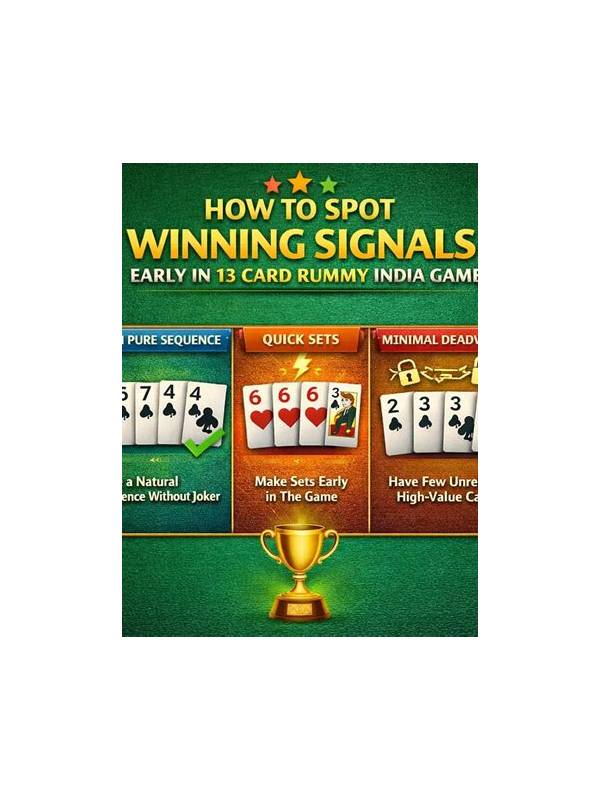
Rummy Strategy: Read Pickup Signals Without Overreading Them
Learn how to use another player’s pickup as one clue while keeping your own hand [...]
Rummy FAQ: When Should You Rebuild Your Plan?
Rebuilding a rummy plan is useful when new evidence changes the hand’s strongest structure. [...]