Rummy Sequence Choices: Compare a Short Sure Group with a Longer Idea
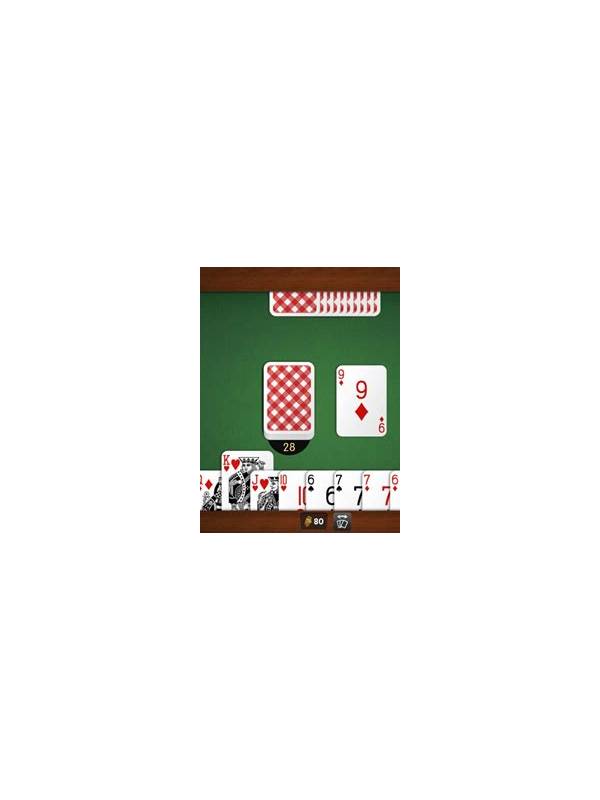
When a hand offers both a short possible sequence and a longer, more attractive idea, the longer idea can feel more rewarding. It may eventually create a large group, but it may also require several exact cards. Comparing the two options carefully helps prevent ambition from replacing evidence.
First, identify what is already secure. A connected pair in one suit may have several nearby improvements, while a separated set of three cards may depend on one specific rank. The number of cards in an imagined final group is less important than the number of realistic ways to reach it. Count live routes using the cards you hold and the public cards you have seen.
Second, consider the cost of waiting. While you protect the longer idea, you may have to keep an isolated card or discard a useful connector. Ask what the hand looks like if the next draw does not help. A plan that leaves several expensive cards exposed may be too costly, even if its best possible outcome is appealing.
Third, keep an exit point. Decide what evidence would make you abandon the longer idea: a needed card appearing elsewhere, a full round without progress, or a new draw that creates a stronger alternative. This is not giving up early. It is setting a rule that prevents attachment to a plan that has stopped earning its place.
The short group is not always correct. If the longer idea has multiple live routes and the shorter group blocks a much stronger structure, patience may be reasonable. The important distinction is deliberate patience versus passive waiting. Deliberate patience has a reason, a review point, and an alternative.
After the hand, compare the decision with the information available at the time. Do not penalize a sound comparison simply because the less likely card arrived. A repeatable process is more valuable than a single lucky result. By evaluating routes, waiting cost, and exit points, you can choose between short and long sequence ideas with greater clarity. Remember that a short group is valuable for more than its immediate completion. It may free your attention, reduce deadwood, and make the remaining cards easier to evaluate. A longer idea can still be worthwhile when the table is slow and the evidence is strong, but speed alone should not decide the choice. Review the whole hand after every meaningful draw and let new information change the comparison.
Related Post

Rummy Guide: Use a Reversible Decision Before a Risky Draw
A reversible decision can help you test a rummy idea without committing the whole hand [...]
Rummy Practice: Rebuild a Hand Using Only Three Anchors
This paper exercise trains you to find the most dependable parts of a hand before [...]