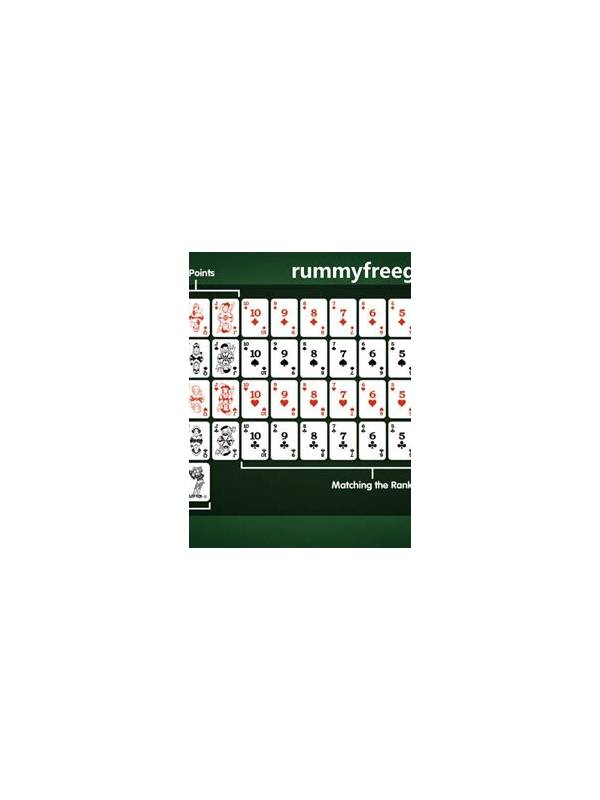
Rummy Comparison: Flexible Cards Versus Valuable Cards

Players often describe cards as “good” or “bad” when they are really measuring two different qualities. A card can be valuable because it has several ways to connect, or valuable because releasing it removes a large penalty. Comparing flexibility and point value makes difficult discards easier to explain.
Flexibility means the number and quality of realistic formations a card can support. A middle card in a suit may connect on either side, while a card near an edge has fewer neighbors. A rank that can join a group may also have a sequence route. However, count only routes that fit the rest of your hand. A theoretical connection with no supporting cards is weaker than a live option.
Point value measures the cost of holding the card if the hand ends unfavorably. High-value cards can deserve attention when they are isolated. But discarding a high card automatically is not always wise. It may be the missing piece of a strong formation, and replacing it with several low cards may leave the hand less organized.
When the two qualities conflict, examine the hand’s stage. Early on, flexibility often deserves more weight because future draws can complete a structure. Later, point control may become more important because there are fewer opportunities to improve. The exact balance depends on the rules and the visible state of the hand.
Use a simple comparison note: “flexible, costly,” “rigid, cheap,” or “flexible and cheap.” Then compare only the leading candidates. This avoids pretending that every card can be ranked with perfect precision. If two candidates remain close, choose the discard that preserves more independent options for the next turn.
Review the choice after the hand without judging it solely by the result. Ask whether you estimated flexibility from actual connections and whether point value changed appropriately as time passed. The aim is not to discover one permanent ranking of cards. It is to learn which quality deserved priority in that particular position. You can make the comparison more concrete by giving each candidate two separate ratings from one to three: connection flexibility and point exposure. The numbers are only prompts for discussion, not objective probabilities. If a rating feels difficult to justify, that is useful evidence that the hand needs a broader inventory before a discard is chosen. Repeat the exercise with the same hand from different stages so you can see how priorities move. A flexible card may be worth keeping when many draws remain, but point exposure may become more important near the end. Writing the two ratings separately makes that change visible and prevents a single label from controlling every position.
Related Post
Rummy Safety: Check Age and Location Rules Before Playing
Eligibility, location, and format rules can differ, so verify them before entering a table or [...]
Rummy FAQ: What Is a Good Stopping Point for Analysis?
A useful analysis routine should end before it becomes slow, repetitive, or disconnected from the [...]