Rummy Safety: Protect Your Session Budget Before You Start
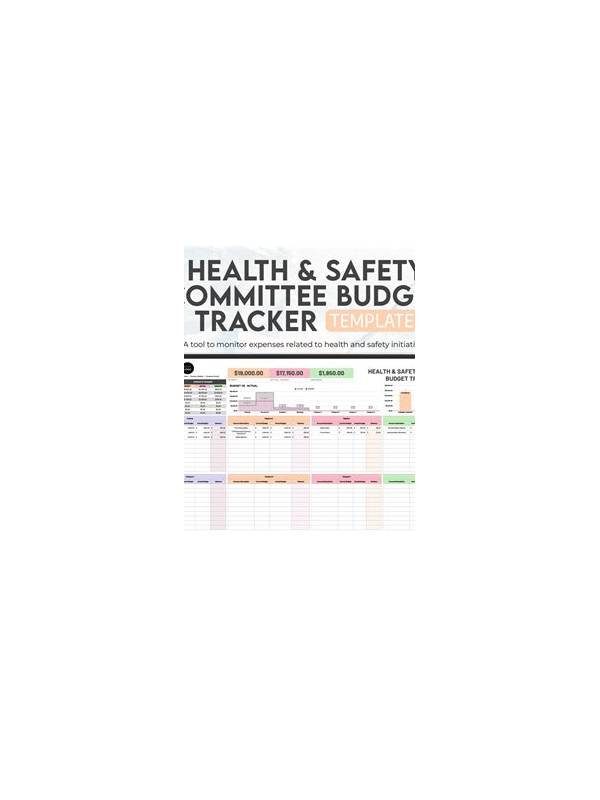
A session budget is more useful when it is decided before play begins. Once a hand is underway, a disappointing result or an exciting opportunity can make the original limit feel negotiable. Planning early keeps the decision separate from the emotion of the moment.
Define the budget in a form you can understand immediately. It may be a fixed entertainment amount, a time limit, or a maximum number of tables. Never use money needed for essentials, and do not borrow to continue. If a platform offers different formats or stakes, select only an option that fits the amount you already chose.
Pair the budget with a stop rule. Examples include ending when the time expires, stopping after a set number of hands, or leaving when your planned amount has been used. A stop rule should not depend on winning or losing. If you stop only after a loss, a win can keep the session open longer than intended; if you stop only after a win, frustration can encourage chasing later.
Keep deposits, withdrawals, and account limits separate from in-game decisions. Read the service’s terms and local requirements before using real-money features. A promotion or bonus is not free spending money if it carries conditions you do not understand. Avoid sharing account access, and enable available security protections on your device and account.
Watch for changes in your behavior. Speeding through decisions, hiding the session from people you trust, or feeling pressure to recover a previous result are reasons to pause. A break is a useful safety action, not a judgment about skill. If play is difficult to control, use platform limits or seek support from a trusted person or a local responsible-gambling service.
Write the budget and stop rule somewhere visible before starting. At the end, record whether you followed them, regardless of the result. This creates a habit of measuring control rather than treating the last hand as the only evidence of a successful session. If you play socially, tell a trusted friend your stopping time before the session. A simple external commitment can make the boundary easier to respect, and it does not require sharing private account information. Keep the arrangement supportive rather than competitive: the purpose is to make your plan visible, not to turn recreation into another performance test. If your circumstances change, revise the plan before playing. An unexpected expense, a tired mood, or a stressful day can make the same session unsuitable. Treat the budget as a ceiling, never as a target that must be used. The safest session is one that remains optional and easy to leave.
Related Post
Rummy FAQ: Why Does a Complete Set Not Finish the Hand?
A complete set is useful, but a legal declaration depends on the structure of the [...]
Rummy Draw Timing: Protect a Flexible Card Without Waiting Forever
Use a practical timing check to decide when a flexible rummy card has waited long [...]