Rummy Turn Ownership: Keep Your Attention on the Current Choice
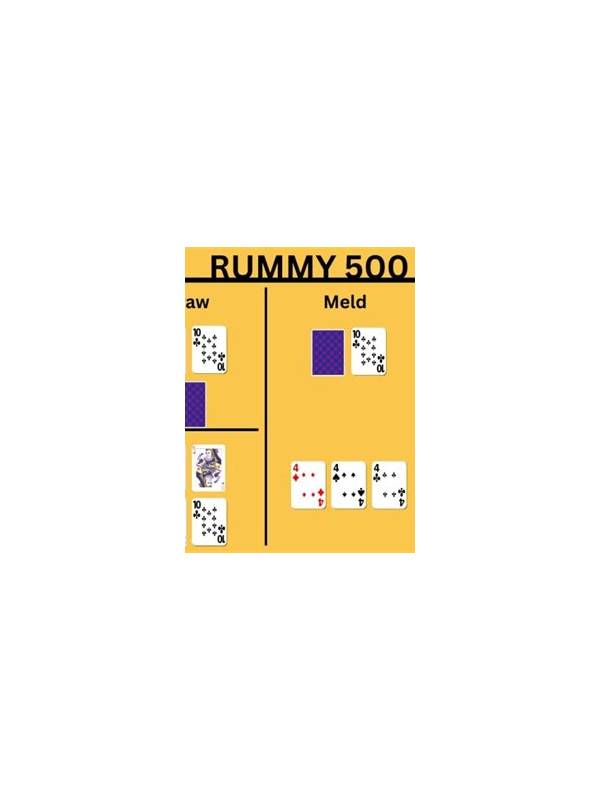
A rummy turn contains enough information for one decision, yet players often try to solve the entire round at once. They imagine every future draw, worry about an opponent’s possible declaration, and overlook the card currently being considered. Turn ownership is a simple discipline: take responsibility for the present draw-and-discard choice while leaving future choices open.
At the start of your turn, identify the immediate job. It may be choosing a draw source, reviewing a partial group, or discarding one card. State the job in plain language. “I need to choose a draw source” is clearer than “I must win this round.” A clear task narrows attention without hiding important rules.
Use only relevant information. Visible discards, the timer, your groups, and the variant objective may matter now. A distant imagined draw usually does not. Ask whether a fact changes the current choice; if it does not, set it aside.
Keep future choices provisional. You can protect a flexible card because it may help later, but do not promise that it will stay protected. When submitting, check that the selected card is intended and that the action matches the rules. If the clock is short, use a compact check: card, rule, action.
After submitting, release the choice. Do not replay it while waiting for the next player. When your turn returns, evaluate the new state rather than defending the old decision. Each turn then becomes a fresh information point. Turn ownership does not mean ignoring the whole table. It means deciding what information belongs to this action and what can wait. A good turn can be summarized as state, options, choice, confirmation. State describes the hand and rules; options describe the legal alternatives; choice names the selected action; confirmation catches interface mistakes. If an interruption occurs, repeat only the state and options rather than replaying the entire round. This keeps recovery efficient. In a practice session, notice how often you think about future turns before completing the current one. That observation can reveal a source of rushed discards. The round will provide new evidence later, so there is no benefit in solving an unknowable future now. Stay accountable for the present decision, then let it go. This approach is useful for both casual and serious play because it protects attention without requiring a particular style of strategy.
Related Post
Comparing Mobile and Desktop Rummy Play
Mobile and desktop rummy each offer practical advantages, so the best choice depends on control, [...]
Rummy Comparison: Short Runs Versus Long Runs
Short and long sequences offer different kinds of value, so compare completion speed, flexibility, and [...]