Rummy Guide: Use a Small Decision Log During Practice
Keep the final note short enough to use regularly; a record that is too elaborate will reduce the attention available for the hand.
Many players either remember nothing from a rummy round or try to record every card. A small decision log offers a practical middle ground. It captures turning points while leaving enough attention for the hand itself. The aim is to make later review more accurate, not to create a detailed archive.
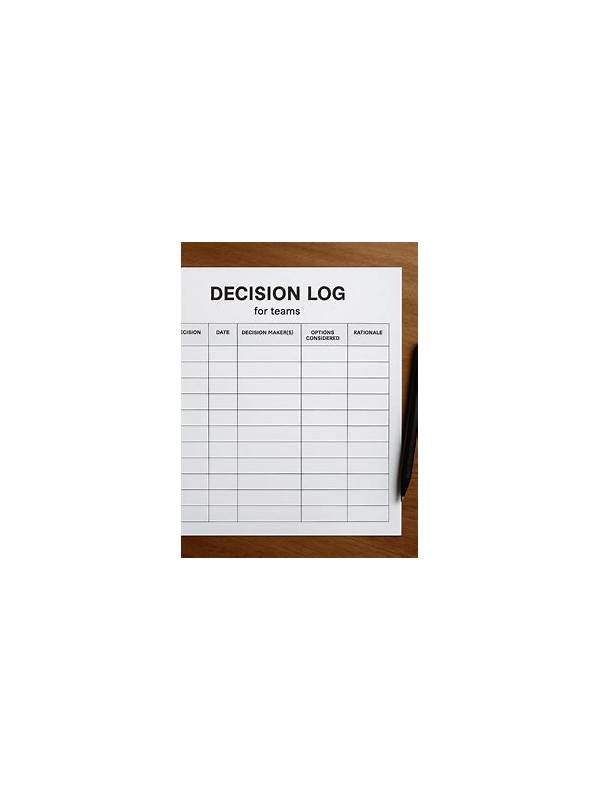
Prepare four columns: turn, new information, choice, and reason. Use short phrases rather than complete sentences. “Opened middle connector,” “released high loose card,” and “protected natural sequence” are enough to reconstruct the decision later. If you cannot write during live play, use the log after a practice deal and note only the moments you still remember clearly.
Mark uncertainty honestly. Add a question mark when a reason was a guess, and use “rule check” when the choice depended on a format detail you were not sure about. This is important because memory tends to turn confident-sounding explanations into facts. A visible uncertainty mark tells you exactly what to investigate in a future practice block.
Do not log every ordinary draw. Record a turn when you changed plans, declined an open card, broke a pair, used a joker, or made a discard that affected the rest of the hand. These moments contain more learning value than routine movements. If every turn is marked, the important choices disappear in the noise.
After the round, look for one repeated pattern. Maybe you kept cards after their deadline, changed plans without new evidence, or forgot to verify a natural sequence. Choose one correction and write it at the bottom of the page. A single actionable lesson is easier to remember than a list of ten criticisms.
Protect privacy in the log. Do not include passwords, payment details, private messages, or unnecessary player identifiers. A learning note should describe cards and decisions, not expose sensitive information. Store it securely if the device is shared, and delete notes that no longer serve a practice purpose.
The log can also include a confidence mark from one to three. One means the reason was mostly a guess, two means it was supported by several clues, and three means the rule or structure was clear. This helps you choose review material efficiently. Study low-confidence decisions that mattered to the hand, rather than spending equal time on choices you understood well. Over time, the notes should become shorter because the routine is becoming more automatic.
Related Post
Rummy How-To: Use a Reset Turn After a Confusing Sequence
A reset turn gives players a repeatable way to regain clarity after several uncertain choices. [...]
Rummy How-To: Test a Plan With a Neutral Draw
Imagining a neutral draw shows whether a rummy plan has resilience or depends on constant [...]