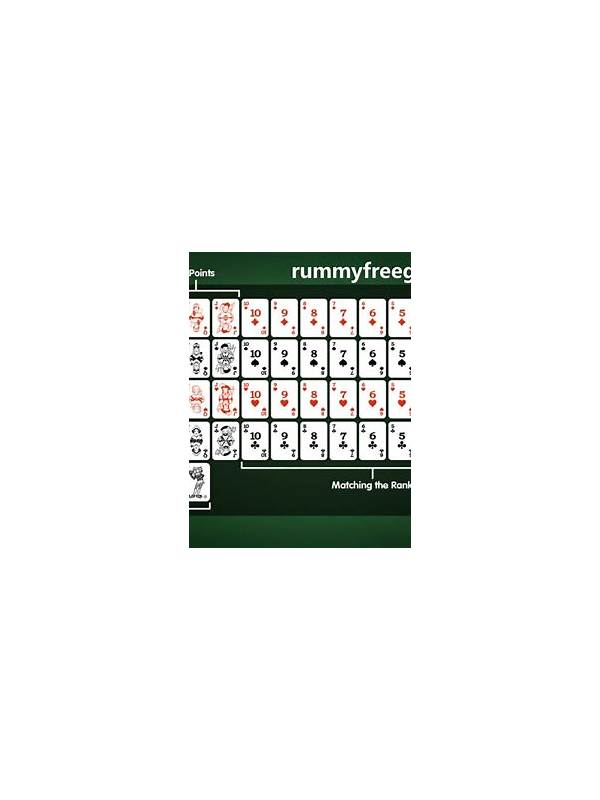
Rummy Comparison: Visual Groups Versus Written Group Labels

Players organize hands in different ways. Some rely on physical or on-screen groups, while others add short labels such as “stable,” “draw,” or “release.” Both approaches can work, but they serve different purposes. Comparing them helps a player choose the lightest system that still makes important risks visible.
Visual groups are quick. Sorting cards by suit, rank, or suspected combination lets the eye recognize patterns immediately. This is valuable during a timed turn, when lengthy notes would slow the decision. The weakness is that attractive layouts can feel more certain than they are. A neat pair may receive protection simply because it looks like a plan.
Written labels add friction but create explicit questions. Marking a group as “needs one exact rank” exposes a narrow draw. Marking a card as “two routes” preserves flexibility. A label can also identify a required group, preventing a player from overlooking legality while chasing a more exciting arrangement. The danger is over-labeling; too many notes become another distraction.
Use visual grouping for the live scan and labels for practice or difficult hands. A compact system needs only three categories: stable, promising, and loose. Add one reason to a promising label, such as “open-ended” or “supports pure requirement.” When a new card arrives, update the label only if the evidence changes. This keeps the record current without turning it into a transcript.
After a round, compare the visual impression with the labels you wrote. Did a visually strong group actually improve quickly? Did a loose card remain protected because it was placed beside a useful one? The best method is often hybrid: fast visual organization for action, brief written language for reflection. Choose the system that improves decisions while preserving attention and privacy.
Test both systems with the same sample hand. First arrange the cards visually and choose a discard under a short time limit. Then repeat with three brief labels and compare the result. Notice not only speed but also whether you saw the required group, identified the narrowest draw, and remembered why a card was loose. If labels improve accuracy, keep them for practice and reduce them during live play. If they add confusion, return to visual groups and use written notes only after the round. The right method is personal, but the test should measure decisions rather than aesthetic preference. Keep the winning method short enough to use consistently. A tool that is abandoned under pressure cannot improve the next decision.
Related Post

Rummy Tips: Choose Between Two Similar Sequence Draws
Learn how to compare two tempting sequence possibilities before committing a draw. [...]
Rummy FAQ: Why Can a Hand With Good Groups Still Be Invalid?
A hand may contain attractive groups and still fail because it misses a required natural [...]