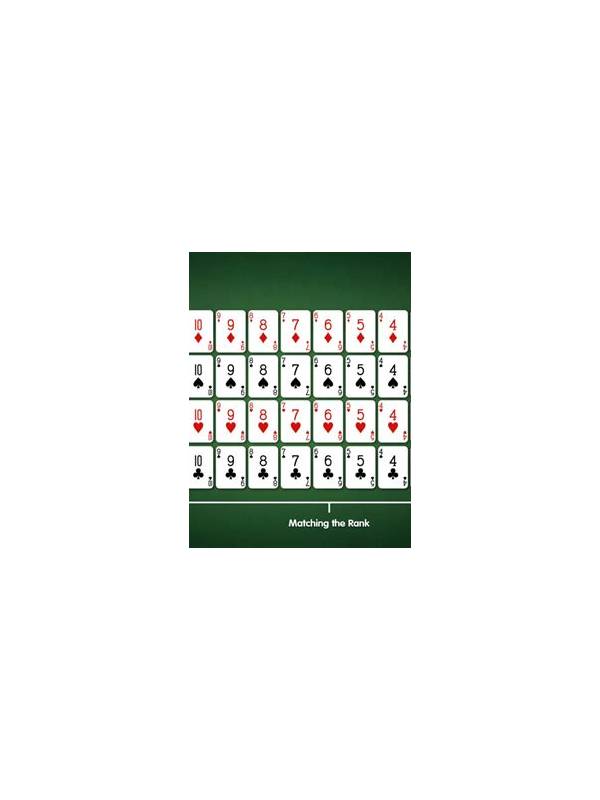
Rummy Strategy: Use a Route Map for a Crowded Hand
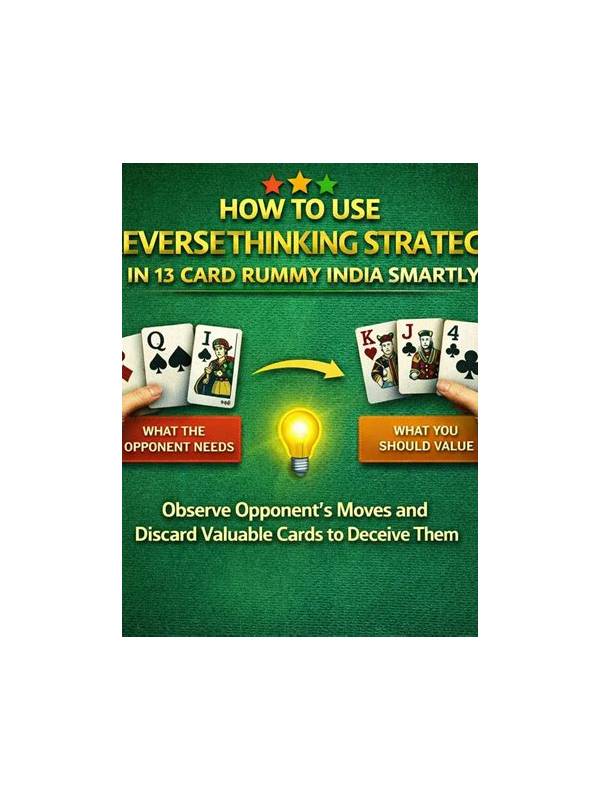
Crowded hands create a special problem: several pairs and partial groups may look useful, but they cannot all be protected. A route map turns the hand into a few possible finishes. It does not predict the next card. Instead, it shows which loose cards belong to the same route and which ideas compete for attention.
Draw three simple boxes on paper during practice: required group, strongest flexible route, and discard candidates. Place only cards with a concrete connection into the first two boxes. Leave isolated cards outside. If a card could serve both routes, mark it as shared rather than placing it fully in either group.
Now test each route for four features: number of missing positions, useful unseen cards, points carried, and effect on the required group. A route with fewer missing positions is not automatically best if it leaves the required group impossible. A flexible route is valuable only when its flexibility leads toward a legal finish rather than endless rearrangement.
Choose a trigger for removing a route. It might be two turns without progress, a visible key card becoming unavailable, or a new card completing another group. When the trigger occurs, remove the weaker route from protection and reassess the shared cards. This prevents a crowded hand from becoming a collection of permanent exceptions.
Keep the map temporary. During a live turn, a glance at three areas should be faster than rereading a detailed plan. In review, note which route actually earned cards and which consumed attention without progress. Route mapping is useful because it transforms clutter into a decision: continue, transfer a shared card, or release the weaker idea.
The map can be even smaller near the end. Keep only the route closest to legal completion, the required group, and the card most likely to be released. Earlier flexibility is no longer as important as confirmation. If two routes remain tied, prefer the one with fewer assumptions and a clearer discard. After the round, redraw the map from the opening hand and note when each route entered or left protection. This reveals whether the hand was crowded from the start or became crowded because a player refused to retire an old idea. That timing is a useful practice target. The purpose of the map is to retire weak ideas at the right moment, not to predict another player’s hidden cards or guarantee a result. Let evidence, timing, and legality determine the route.
Related Post
Rummy Safety: Create a Clear Boundary Between Advice and Support
Separating strategy advice from account support requests helps protect your information and your judgment. [...]
Rummy Safety: Keep a Neutral Record of Account Changes
A factual account-change record can help you notice unusual activity without storing unnecessary sensitive information. [...]