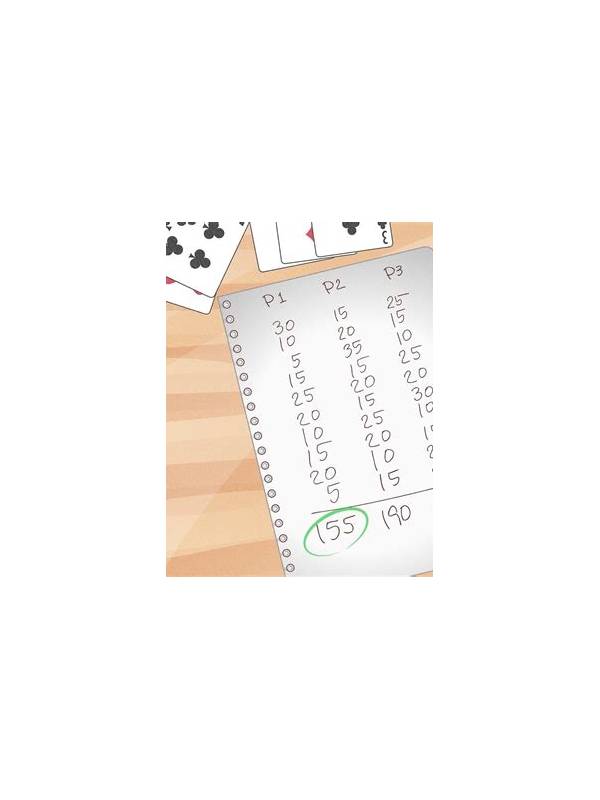
Rummy Practice: Use Blank Cards to Study Sequence Space
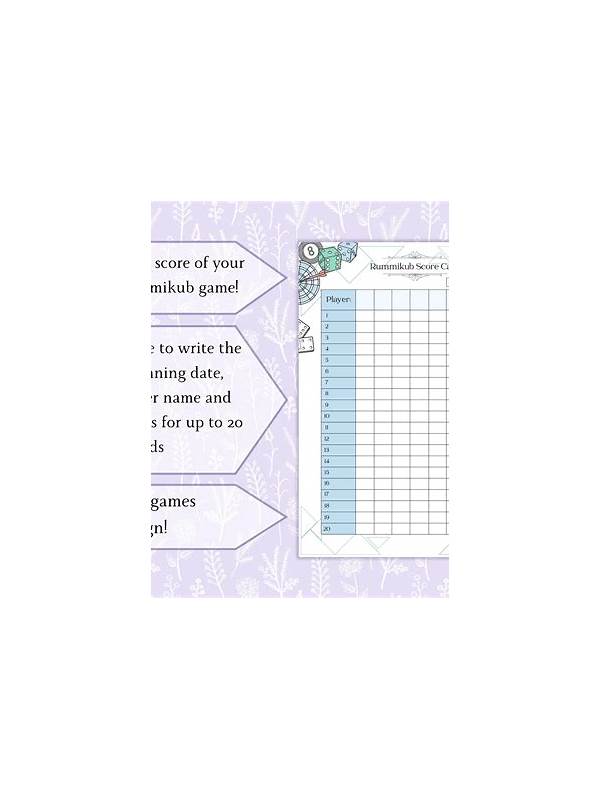
You can practice rummy sequence planning with a standard deck and a few blank slips of paper. The blanks represent unknown future cards. This exercise shifts attention from lucky draws to the space of possible routes, making it useful for players who tend to commit to the first pair they notice.
Write a sample hand on cards or paper, then leave two or three spaces blank. Use a legal hand size for the variant you are studying. Arrange the visible cards by suit and rank, but do not immediately decide which groups are final. The purpose is to observe structure before assigning a plan.
For each blank, list the cards that could fill it. If a suit contains 6 and 8, the 7 is the direct bridge. If a longer structure is possible, identify whether a 5 or 9 would create a valid group instead. Keep the list grounded in the rules: a card that creates only a pair is not equivalent to one that completes a sequence.
Now remove one visible card and replace it with another blank. This tests resilience. Does the hand still have two routes, or did the entire plan depend on one anchor? Mark the strongest route with a star and the narrow route with a line. Avoid judging the exercise by whether you could “win”; judge it by whether you recognized the alternatives.
Add a discard decision. Choose one card that appears least connected and explain why it is a candidate. Then reveal a blank by drawing a random card from the deck. Update the plan without defending your original choice. This trains the habit of treating new information as a reason to reassess, not as an insult to the first idea.
You can make the drill harder by hiding the suit of one blank, limiting yourself to ten seconds per scan, or requiring one route to include a pure sequence. Keep the rules consistent across repetitions so your comparisons mean something.
Finish by writing two sentences: which card had the most useful connections, and which assumption changed after the reveal? Those notes are more valuable than a score. Blank-card practice teaches you to see sequence space as a set of routes, with some broad and some narrow. That perspective transfers directly to real draw-and-discard decisions. Keep practice stakes-free and stop if the exercise becomes frustrating. The value comes from observing routes and revising assumptions, not from forcing a successful hand. A calm five-minute drill can teach more than a long session in which every missed draw feels personal.
Related Post
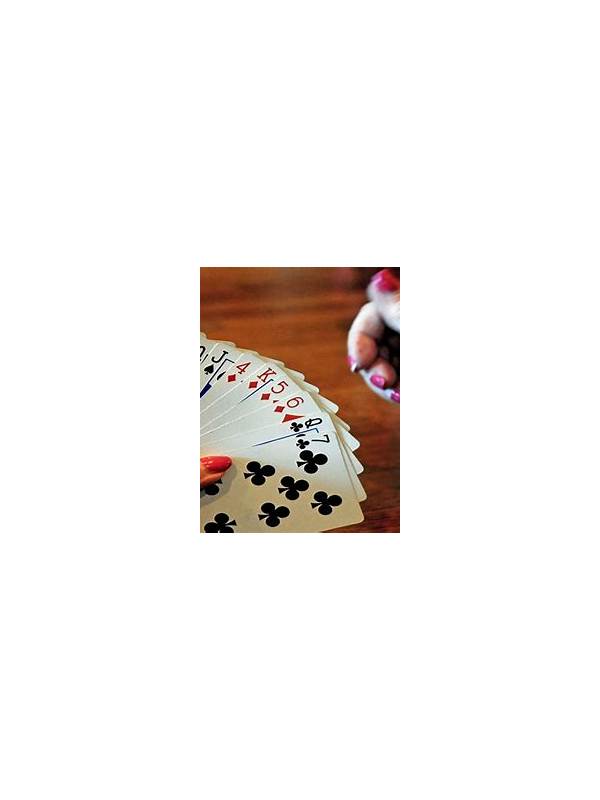
Rummy FAQ: Can a Safe Discard Still Be a Strategic Mistake?
A discard may avoid immediate danger yet still weaken your hand by removing flexibility or [...]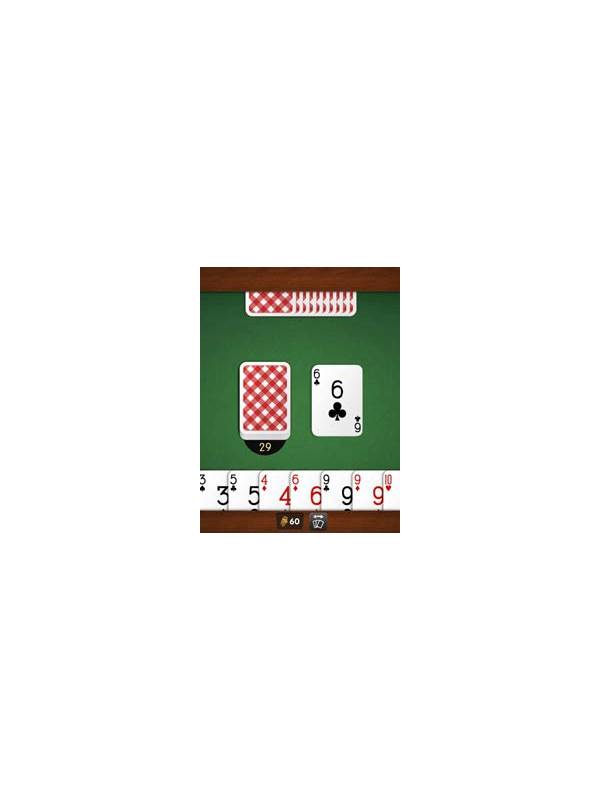
Rummy Card Notation for Better Practice Reviews
A compact notation system helps you remember decisions without recording unnecessary personal or account information. [...]