Rummy Comparison: Open-Ended and Closed-Ended Sequences
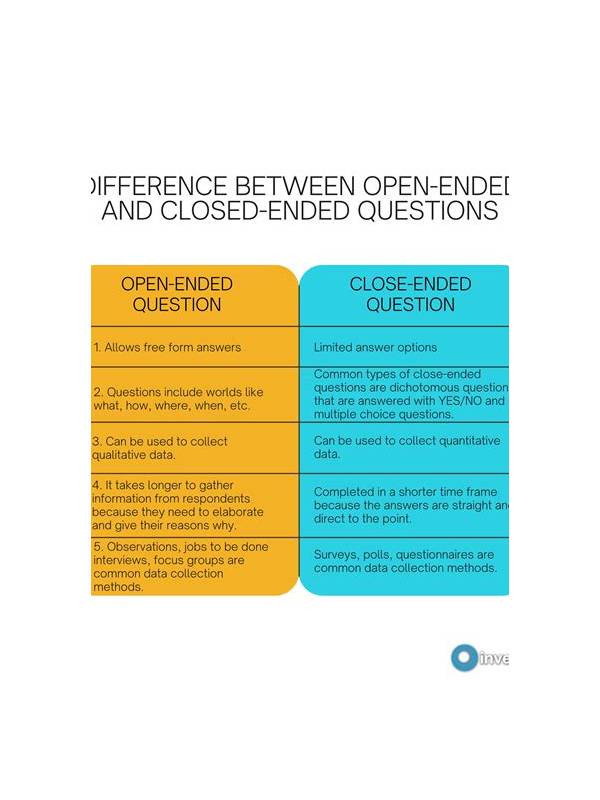
An open-ended sequence fragment can be extended on more than one side, while a closed-ended fragment has fewer practical ways to grow. The distinction is useful, but it should guide evaluation rather than replace it. A sequence’s real value depends on the cards you hold, the rules in play, and what has already appeared.
Suppose you hold six and seven of one suit. A five or eight may help, so the fragment has two directional possibilities. If you hold seven and eight, the same reasoning applies. A fragment such as queen and king is often more restricted because only one neighboring rank may complete it, depending on the game rules. A low edge fragment can be similarly narrow.
Open-ended does not mean guaranteed. The needed cards may be scarce, already discarded, or useful to another player. Nor does closed-ended mean worthless. A one-sided fragment may become valuable when it joins another group, when the needed card is visible in the draw history, or when holding it protects a pure sequence already in progress.
Compare the shapes using four questions. How many cards complete the fragment? Can the same card improve another group? What happens if the fragment is abandoned? How expensive is it to keep while waiting? These questions reveal whether flexibility is real or merely imagined. Two open ends that each require a rare card may be less useful than one clear completion supported by several clues.
The hand stage matters. Early in a round, retaining an open fragment can preserve options. Later, the same fragment may need a deadline. If it has not improved after several turns and you need space for an important group, break it deliberately. Do not continue because you have already invested draws in it; past effort cannot make a future card more likely.
When comparing fragments, also protect required structures. A closed-looking group that completes a pure sequence may deserve priority over a flexible but nonessential combination. Strong play balances completion probability, point exposure, and rule requirements. Use the open-ended versus closed-ended label as a quick description, then make the decision from the whole hand.
You can practice this comparison with ordinary cards away from a live table. Deal a small hand, mark each fragment as broad or narrow, and list its possible completing ranks. Then remove one visible card and repeat the exercise. The drill builds recognition of changing options without financial pressure and makes it easier to use the same language during an actual round.
Related Post
Building a Personal Rummy Learning Log
A lightweight learning log turns rummy sessions into reviewable evidence without encouraging excessive play. [...]
Rummy FAQ: Is More Information Always Better?
More visible information can help, but only when it is relevant, reliable, and small enough [...]