Rummy FAQ: When Is a Sequence Better Than a Set?
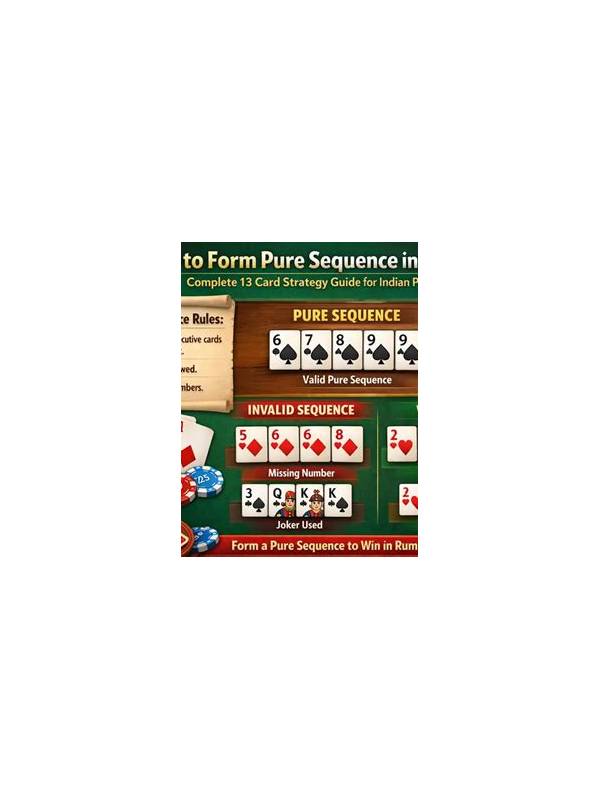
Players often ask whether they should prefer a sequence or a set in rummy. The answer begins with the rules. If a valid declaration requires a pure sequence, that requirement gives the sequence priority. Outside that constraint, compare what each group contributes to the whole hand rather than judging the labels alone.
A sequence can provide multiple connection points, especially when it uses middle cards. A 5 and 6 of one suit may connect to cards on either side, while a pair for a set may need one exact rank. But a sequence at an edge can be narrow, and a low-point set may be easier to complete safely. Structure matters more than category.
Check current completeness. A legal sequence already reduces uncertainty. A set candidate remains unfinished until the required rank card arrives. If both are incomplete, list the helpful draws and note whether the cards have alternative uses. This quick comparison is more useful than assuming one group type always wins.
Consider point exposure. High cards held outside legal groups can create a larger penalty if the round ends unexpectedly. A set made from expensive cards may solve that exposure quickly. On the other hand, using a high card in a narrow set plan can be costly if the matching rank is difficult to find. Keep the likely failure cost visible.
Jokers add another layer. A joker may complete an impure sequence or a set, but spending it in one group can reduce flexibility elsewhere. Check whether the rules permit the intended use and whether a natural group is required. Preserve a joker when its alternative uses are materially stronger.
The table’s pace and format also influence the choice. In a short round, a nearly complete legal group may deserve priority. In a longer format, a broader route may justify waiting. Do not copy a decision from one variant into another without checking scoring and declaration rules.
The practical answer is: prefer the group that satisfies mandatory requirements, has more realistic improvements, and leaves less expensive uncertainty. A sequence and a set are tools, not rankings. Compare their role in the complete hand, then review the choice when new information appears. For practice, take one sample hand and write two legal endings: one using a sequence and one using a set. Note which cards each ending needs and which points remain exposed. The exercise makes the comparison concrete and discourages rules of thumb that ignore the actual hand.
Related Post

Rummy Session Budgeting: Separate Time From Spending
Separating time and spending limits creates a clearer boundary for recreational online rummy sessions. [...]
Rummy Comparison: Human Review or Automatic Suggestions?
Comparing personal hand review with app suggestions helps players use digital assistance without surrendering judgment. [...]