Rummy Guide: Choose a Discard When Every Card Has a Job
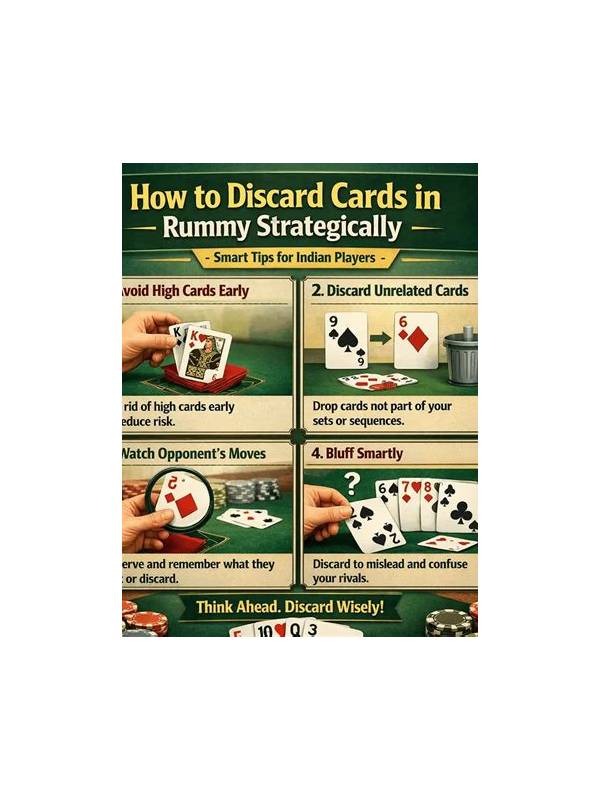
Sometimes a hand has no obvious discard. Every card belongs to a pair, touches a sequence, or supports a joker plan. Holding everything is impossible, so the task becomes identifying which job is least reliable or easiest to replace.
List the job of each card in plain language. A card may be a confirmed group member, a bridge, a set candidate, a point-saving card, or a speculative connection. If you cannot describe a card’s job, it is already a strong discard candidate. If it has two jobs, note both and avoid counting the same benefit twice.
Separate completed value from possible value. A card in a legal sequence has a current job. A card that could join a sequence has future value. When choosing between them, do not automatically protect the possible card. The completed group may be required, while the speculative card may be replaceable.
Next compare deadlines. Which plan needs help soon? A high-point card in a narrow route should not be kept indefinitely. A low-point connector with several helpful draws can wait longer. Give each uncertain job a small time budget, such as one or two turns, then review whether its value has increased.
Look for substitution. If discarding one card breaks a pair but another card in your hand can still form a set, that pair may be less important than it feels. If a joker can cover one missing rank but would be much stronger in a required pure sequence, do not spend it merely to preserve every job at once.
Use the open pile carefully. A card that seems safe may complete an opponent’s hand, but guessing too much can make you keep your own weak cards. Consider opponent information as one factor after legality, point cost, and your hand’s routes have been evaluated.
When all candidates remain close, choose the discard that leaves the clearest next scan. A hand with fewer competing ideas is easier to play accurately. Explain the choice in one sentence, make the discard, and reassess after the next draw. Even when every card has a job, one job can be temporary. That final distinction is valuable in close decisions. A temporary job may have been useful before the last draw but no longer fit the new shape. Letting it expire is not a failure; it is the normal process of updating a hand as information arrives and priorities shift.
Related Post
Rummy Guide: Set a Reassessment Trigger
A reassessment trigger tells you when to revisit a rummy plan before it becomes a [...]
Rummy FAQ: What If Two Plans Need the Same Card?
When candidate melds share one missing card, compare their value and flexibility instead of counting [...]