Rummy How-To: Build a Three-Question Opening Scan
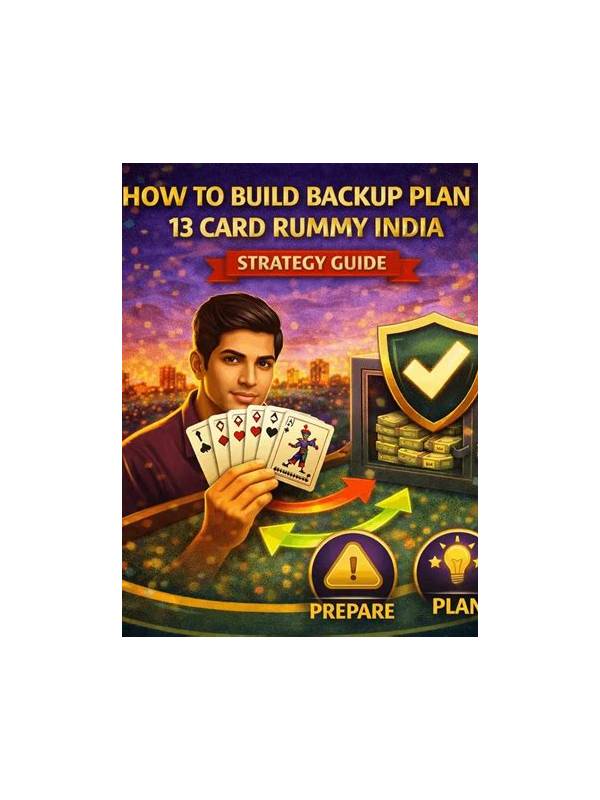
The opening scan should create a map, not a final answer. Ask three questions in order: what is already stable, what has multiple routes, and what carries the most cost? This keeps early sorting quick while preventing the first attractive pair from controlling the whole hand.
For the first question, verify groups against the variant rules. A tidy arrangement is not automatically a legal sequence or set. Mark any group that satisfies an important requirement, then avoid breaking it without strong evidence. If nothing is stable, note that openly instead of forcing a foundation.
For the second question, find cards with more than one realistic connection. Middle ranks, pairs, and shared connectors may support several routes, but count only uses that can coexist. A card cannot serve two groups at once unless the rules and final arrangement permit the structure.
For the third question, identify expensive leftovers. High cards, isolated ranks, and cards trapped behind an exact draw deserve attention. This does not mean discarding the highest card automatically. It means comparing its current job with the penalty and time required to keep it.
After the scan, name a main plan and a fallback in one sentence each. Choose a discard only after checking which candidate protects the stable group, preserves a route, and lowers cost. Repeat the scan after a meaningful draw, not after every small rearrangement.
Practice with random hands and a sixty-second limit. Record the three answers, then review whether your opening map missed a rule, overcounted a route, or ignored a costly leftover. The scan becomes useful when it produces a clear next question rather than a feeling of certainty. Keep a short record and check the labels after two turns. This shows whether you protected a group because it was legal or merely tidy, and whether a flexible route became too narrow. Changing the map after new evidence is a sign that the method is working.
Related Post
Rummy Practice Variations for Improving Pattern Recognition
Focused practice variations can strengthen rummy pattern recognition while keeping sessions short and purposeful. [...]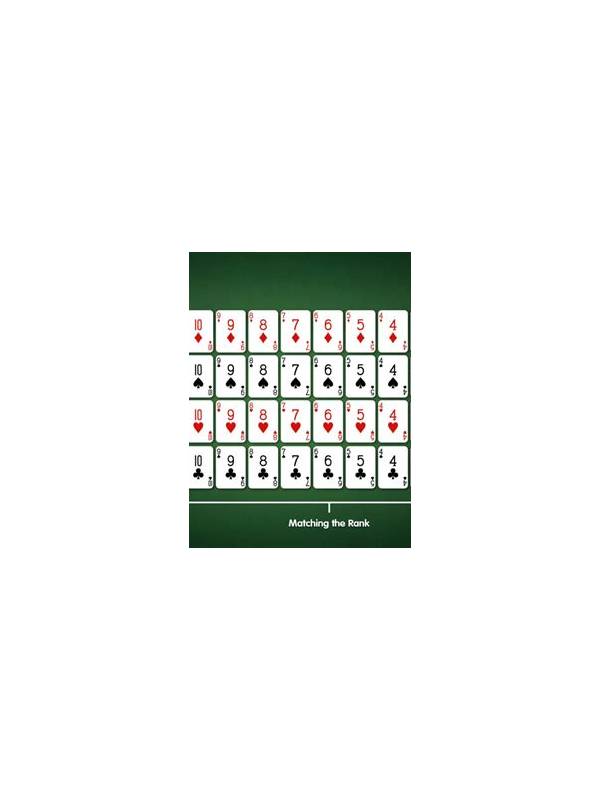
Rummy FAQ: Can Every Pair Become a Useful Set?
Pairs are valuable clues, but their usefulness depends on rules, remaining options, and the rest [...]