Rummy Guide: Mark a Card That Has Become Redundant
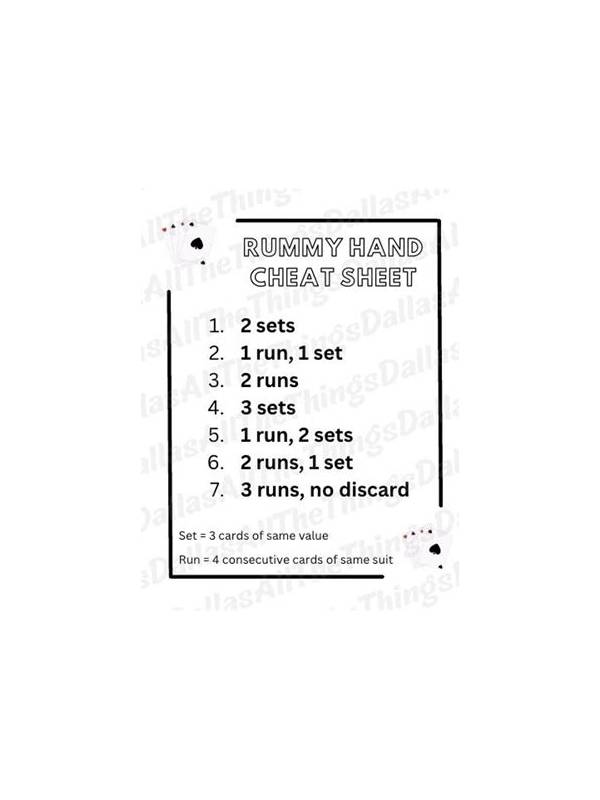
A redundant card is not necessarily a duplicate rank. It is a card whose useful role is already covered by another card or group. Marking redundancy helps you avoid keeping extra protection after the hand has developed.
Review each group by function. If two cards both support the same exact route, determine whether the second card adds a different connection, lowers penalty, or protects against a realistic change. If it does none of these, label it redundant for the current turn. The label is temporary and should be reconsidered after new information.
Redundancy often appears after a good draw. A connector completes a sequence, leaving another card with no independent job. Players may keep the old card because it was part of the original plan, even though it now blocks a better arrangement. Re-sort by current function rather than by history.
Check the rules before releasing anything. A card that looks extra may be needed for a pure sequence, a valid set, or another declaration condition. Also check opponent information and penalty. Redundant does not mean risk-free, but it is a strong candidate for comparison.
Use the question, “What new work would this card do?” If the answer requires several exact future events, compare it with the least useful alternative. A redundant card can be the correct discard even when it is visually connected.
Practice by marking roles after every third draw in a sample hand. Afterward, note which cards stayed redundant too long. This builds awareness of changing hand structure without turning every turn into an elaborate calculation. Write “redundant for now” and add a review point. When it arrives, compare the card with other discards using legality, penalty, and recovery. Ask whether you kept it for independent value or because it belonged to an earlier plan. Hand roles change normally; recognizing and acting on that change is the skill.
Related Post
Rummy Safety Checklist for Notifications and Distractions
Reduce mistakes and protect your session quality by managing notifications before an online rummy game. [...]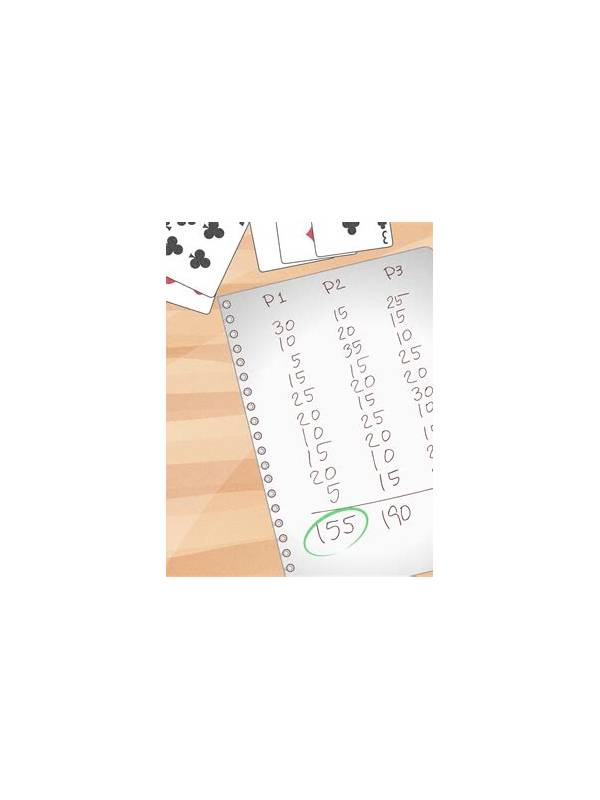
Rummy FAQ: What Should You Record After a Reconnect?
Recording a few neutral facts after a reconnect helps separate technical events from card decisions. [...]