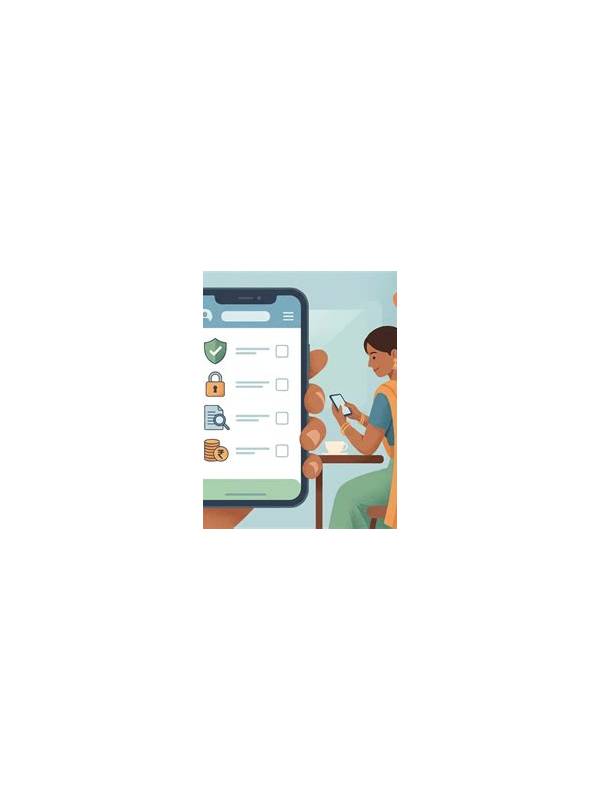
Rummy FAQ: Why Should You Name the Rule Before Declaring?
Naming the relevant rule before declaring forces attention onto legality rather than appearance. A hand may look complete while missing a pure sequence, containing an invalid set, or using a joker in a way the variant does not permit. A brief check is especially valuable when the timer, excitement, or previous success encourages speed.
Use a fixed phrase such as “groups, sequence requirement, joker use, score.” Inspect each item in that order. Confirm that every card belongs to one final group, that no card is reused, and that the groups meet the table’s exact definitions. If the variant has a minimum number of sequences or a special joker rule, include it in the phrase.
Do not rely on a color or visual pattern alone. Digital layouts can hide a card, and rearranging quickly can create an accidental duplicate. Count the cards in each group and compare them with the hand total. If a table’s help text differs from your memory, stop and verify before confirming.
Naming the rule is not a guarantee of acceptance; it is a prompt to inspect. If anything remains uncertain, ask official support or consult the stated rules rather than guessing. Avoid sharing private account details while seeking help.
Practice with deliberately flawed sample hands. Identify the first rule that fails and explain how to repair it. This turns declaration checking into a repeatable routine and reduces the chance that a lucky-looking layout creates false confidence. Keep the phrase consistent so you can see which step fails. Add a final card count if rearranging causes mistakes. Read confirmation screens instead of tapping automatically. A check validates the hand; it does not predict the opponent or guarantee a result.
Related Post
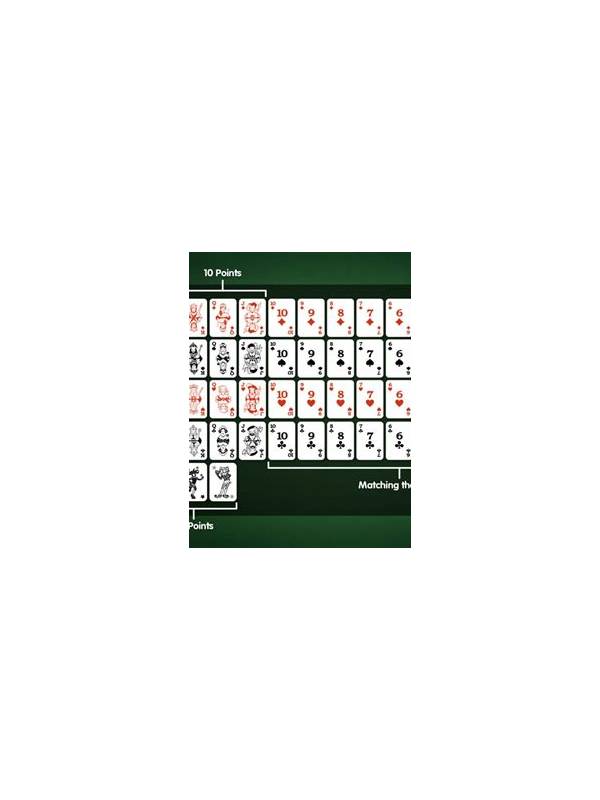
Rummy How-To: Use a Pause Point Before a Risky Draw
A planned pause point gives you a chance to reassess a narrow draw before emotion [...]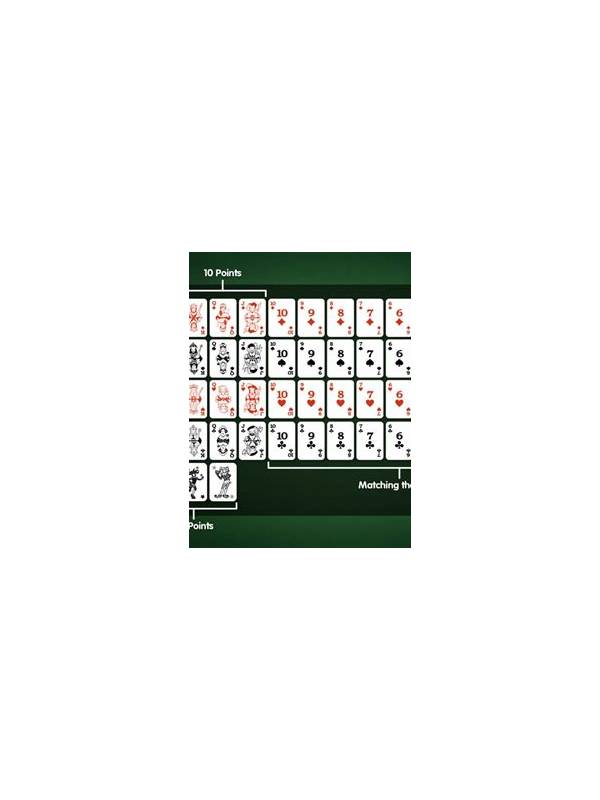
Points Rummy Scoring: A Worked Example for New Players
A simple scoring example shows how card values and the winning declaration interact in points [...]