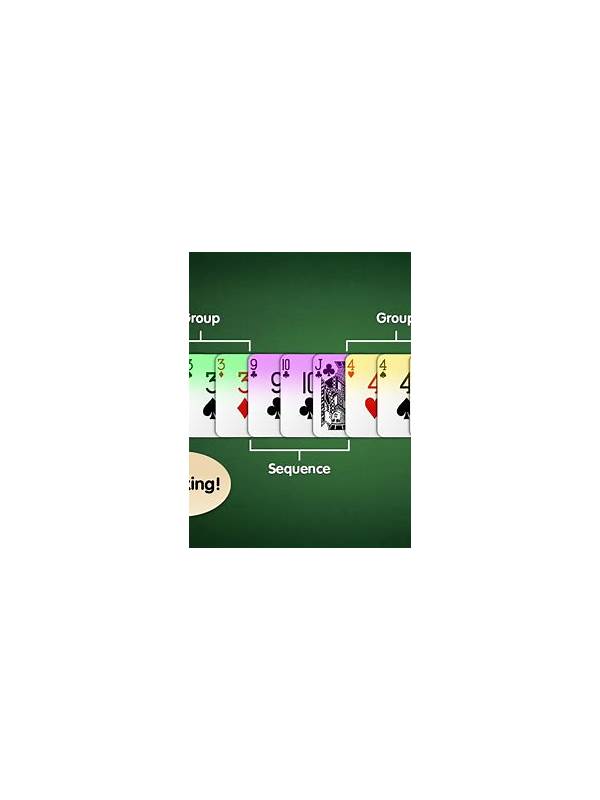
Rummy How-To: Review a Close Loss Without Blaming Luck
A close loss can teach more than an easy win, but only if the review separates decisions from the final result. “I was unlucky” may be true in part, yet it does not identify what to repeat or change. Use a short reconstruction instead.
Begin at the final three turns. Write down your hand shape, the available discard, and the plan you believed you were following. Do not judge it yet. The goal is to recover what you knew at the time, not what became obvious afterward. Hindsight can make an ordinary decision look careless.
Next mark each choice as supported, uncertain, or unsupported. A supported choice had a legal purpose and more than one reasonable benefit. An uncertain choice had a plausible purpose but depended on limited information. An unsupported choice relied mostly on hope, an untested assumption, or a plan that had already missed its deadline.
Look for the earliest unsupported choice. That is often more useful than analyzing the final discard. Perhaps you kept a high-value card because it belonged to a promising pair, ignored a required sequence, or failed to update the plan after a key card appeared. Fixing the first drift may improve several later decisions at once.
Then create one replacement rule for practice. Keep it narrow: “After two misses, compare the fallback,” or “Check the required group before taking a visible discard.” Do not create a list of ten rules. One observable habit is easier to test in the next session.
End by acknowledging the random part. Even a supported decision can lose, and an unsupported decision can succeed. Record the quality of the choice separately from the outcome. This keeps confidence stable and makes practice more honest.
The purpose of review is not to prove that every loss was avoidable. It is to find one point where your process can become clearer. A close result is valuable when it leaves you with a specific action for the next hand.
Keep the review short enough to protect your mood. Five careful minutes can reveal more than an hour of replaying every random draw. If you cannot identify a supported alternative, accept that the hand may have been decided by variance. The useful outcome is then to preserve the same process and collect more examples before changing it.
You may also ask a practice partner to review only the first questionable choice without seeing the final result. This reduces hindsight and shows whether the decision was understandable from the information available. Compare their explanation with your own, then choose one small adjustment rather than trying to rewrite the entire game.
Related Post
Rummy Comparison: One Strong Route Versus Several Weak Routes
One strong route often beats several weak routes when time, space, or card availability is [...]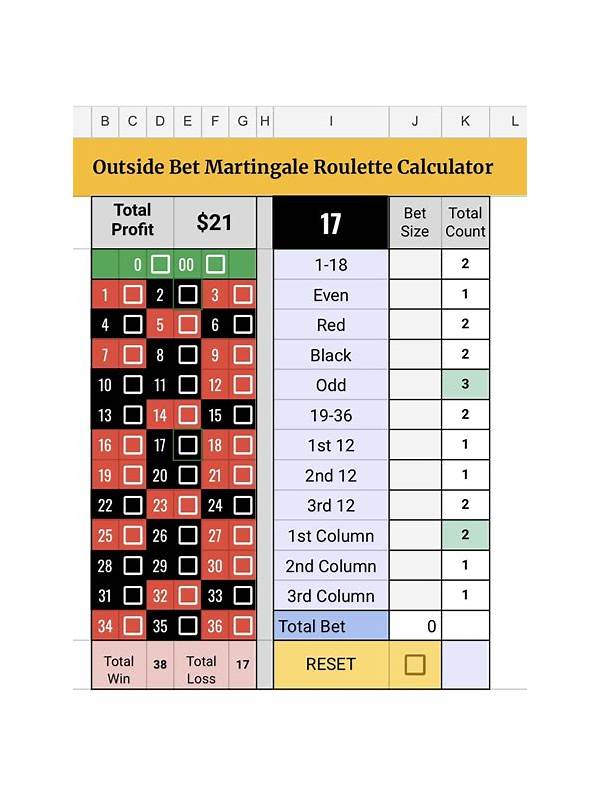
The Ultimate Guide to the Best Roulette Tracker Reddit
The Ultimate Guide to the Best Roulette Tracker Reddit Are you tired of losing money [...]