Rummy Guide: Turn a New Hand Into Three Candidate Plans
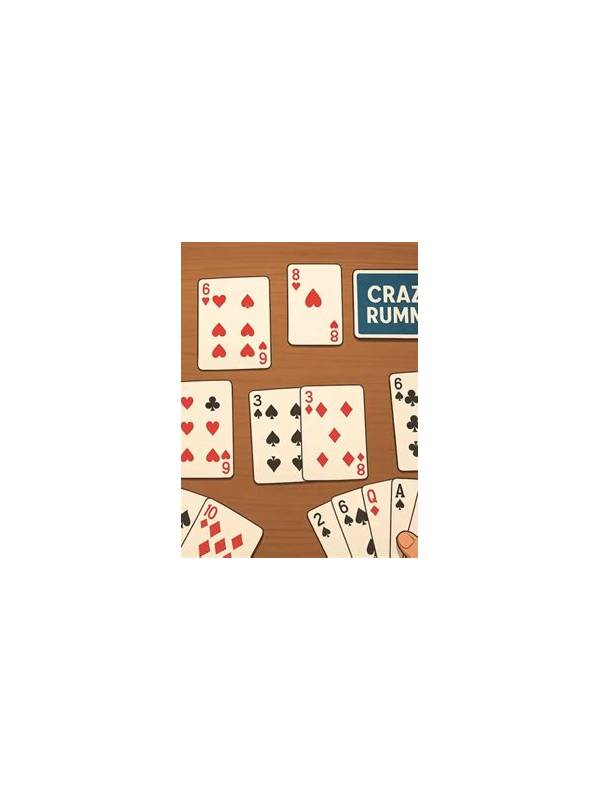
The first few cards in a rummy hand can suggest many possibilities. Instead of selecting one immediately, create three candidate plans: a primary sequence, a secondary group, and a flexible fallback. This structure keeps you organized without pretending you know how the hand will develop.
For the primary plan, choose the arrangement with the strongest current connections. Note the missing ranks or suits, but do not assume they will arrive. For the secondary plan, identify a different use for at least one shared card. The fallback should be simple: reduce isolated cards, protect against high penalties, or preserve a broad set of options.
Give each plan a checkpoint. The primary plan might survive until two unhelpful draws; the secondary might remain available while its key card is not taken or discarded. A checkpoint turns vague hope into a decision rule. If a plan fails its condition, downgrade it rather than defending it because you named it first.
Rebuild the three plans when important information appears. A new card can make the secondary plan strongest. An opponent’s visible meld can reduce the value of one route. The goal is not to keep the original labels. It is to maintain a small menu of current options.
Three plans are enough for most hands. More possibilities create noise, while one plan creates tunnel vision. By comparing a strong route, an alternative, and an exit, you can make each draw useful even when it does not complete a meld.
Related Post
Rummy App Permission Review: What Access Should Be Necessary
Rummy App Permission Review: What Access Should Be Necessary offers practical guidance for clearer, safer, [...]
Rummy Safety: What to Do Before Sharing a Screenshot
A quick privacy review can prevent a casual rummy screenshot from exposing account or payment [...]