Rummy FAQ: What Should You Do When the Stock Runs Low?
When the stock runs low, uncertainty becomes a deadline. There are fewer chances to improve a hand, so a plan that was sensible early may now be too narrow. The correct response is not panic; it is a deliberate review of legal requirements, points, and realistic remaining draws.
First confirm the format’s rule for an exhausted stock. Some games reshuffle, some end the hand, and some handle the discard pile in a particular way. Never assume the procedure. Knowing the rule changes how much urgency you should attach to the next draw.
Next count unresolved requirements. Identify completed groups, groups needing one card, and groups that need several specific cards. A nearly complete arrangement is attractive, but it may still be less practical than a simpler arrangement that reduces points immediately. Treat a single needed card as a possibility, not a guarantee.
Review the visible discard history if the game allows it. If the exact cards needed for a narrow plan have already appeared, downgrade that plan. If they remain unseen, the chance may still exist, but unseen does not mean likely. Use the evidence to compare choices rather than to justify holding everything.
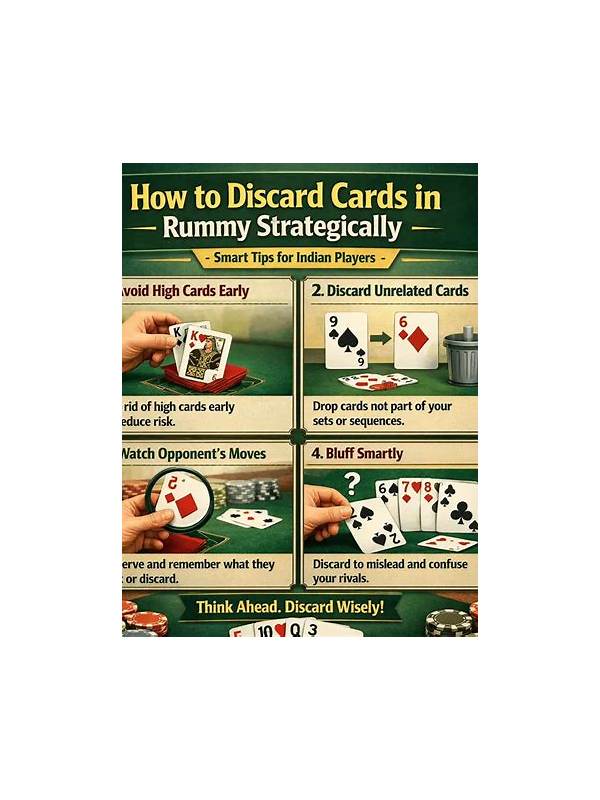
At this stage, release cards with no clear deadline-friendly job. A high isolated card may deserve an urgent discard. A flexible connector can be retained if it supports several legal outcomes, but give it a final review point. The closer the stock gets to its limit, the stronger the case for a practical improvement over a beautiful but fragile pattern.
Be especially careful before declaring. Lay out every group, verify the required number of sequences, and check whether a pure sequence or other condition applies. A low stock does not excuse a rushed invalid declaration. If the interface has a preview or validation feature, use it without assuming that every highlighted arrangement is legal under your table’s rules.
Finally, protect your session behavior. A shrinking stock can create urgency, but urgency is not a reason to add money, chase a loss, or play beyond your planned time. The hand may simply be reaching its natural conclusion.
A low stock turns planning into deadline management. Confirm the rules, compare realistic outcomes, reduce narrow hopes, and verify legality. Calm prioritization is more useful than one last desperate draw.
If you are unsure whether the stock is truly low or whether the hand can continue, use the table’s information panel or official rules page. Clarifying a procedure before play is safer than making a high-cost assumption during a tense final turn.
Related Post
Rummy Comparison: Passive Waiting Versus Active Reassessment
Comparing passive waiting with active reassessment shows why a patient plan still needs regular evidence [...]
Rummy FAQ: What Is a Decision Deadline?
A decision deadline tells a rummy player when to reassess a waiting plan instead of [...]