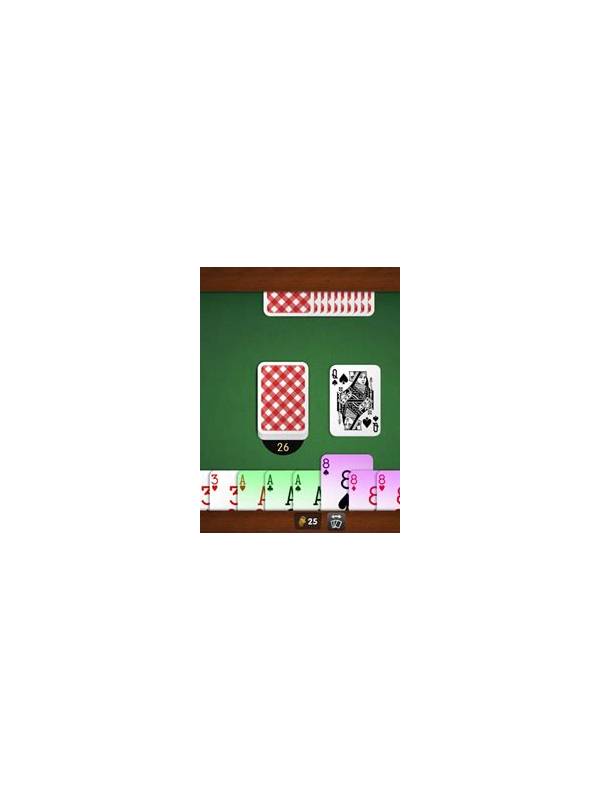
Rummy Tips: Plan Around the Most Expensive Unfinished Card

When a hand contains several unfinished ideas, the highest-point unconnected card often deserves an explicit review. It may be part of a promising route, but it may also be quietly increasing the penalty of every missed draw. Focusing on that card creates a practical decision point without requiring a complete analysis of the hand.
First determine whether the card has a credible connection. List the groups it could join under the rules and identify the ranks or copies needed. A card with several realistic partners is not automatically good, but it has flexibility. A high card that needs one exact, scarce partner is more exposed, especially if the stock is shrinking or an opponent is already showing related cards.
Compare two plans: keep the card for a defined number of turns, or release it now for a lower-risk discard. The keep plan should include a reassessment trigger, such as a missed draw, a new opponent meld, or a particular card leaving the visible area. Without a trigger, hope can turn into inertia.
Do not judge the card only by its printed value. A high card that completes a legal group may be safer than a low card that helps an opponent immediately. Conversely, a low card can still be expensive strategically if it blocks a valuable arrangement or gives away your direction. Consider penalty, connection, information, and timing together.
This method is especially useful when you feel stuck. It does not guarantee a winning choice; it reduces the chance that the most dangerous card remains unexamined. Once you make the decision, update the rest of the hand around it. A clear release can free several cards for a new plan, while a deliberate keep should come with a date for reconsideration.
This review is not an instruction to discard every expensive card immediately. Sometimes the card is the only bridge between two strong groups, and releasing it would destroy more value than its penalty represents. The point is to make the tradeoff visible. Write down the card’s best case, its likely cost, and the event that ends the experiment. If the next draw does not improve the route, follow the trigger without inventing a new justification.
That deadline turns a vague concern into a decision you can evaluate afterward.
Once the experiment ends, compare the planned cost with the actual result without rewriting the original estimate.
Releasing attachment is easier when the trigger was chosen before the next card appeared.
Related Post
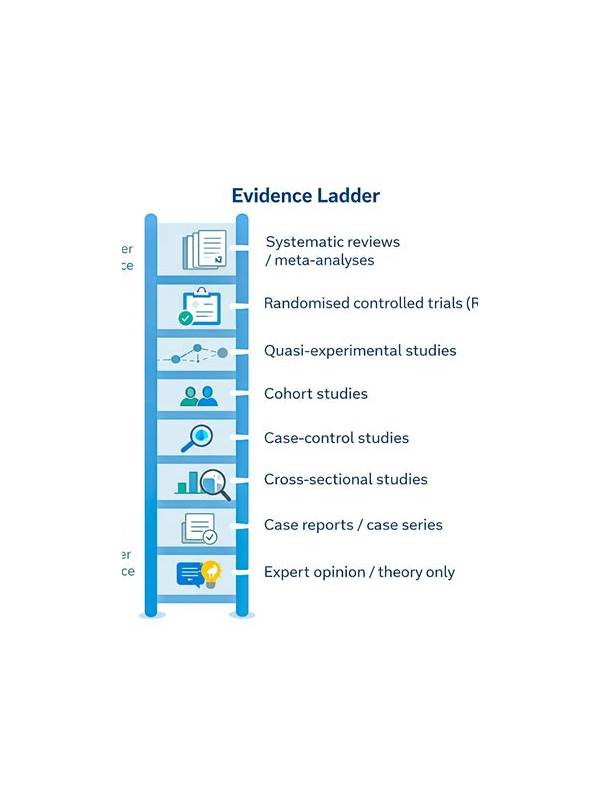
Rummy Tips: Use an Evidence Ladder for Discard Decisions
An evidence ladder helps players rank discards by visible facts, reasonable inferences, and guesses instead [...]
Rummy Safety: Protect Your Eyes During Long Screen Sessions
Simple screen and break habits can make extended online rummy practice more comfortable and sustainable. [...]