A Beginner’s Guide to Reading Rummy Scoreboards
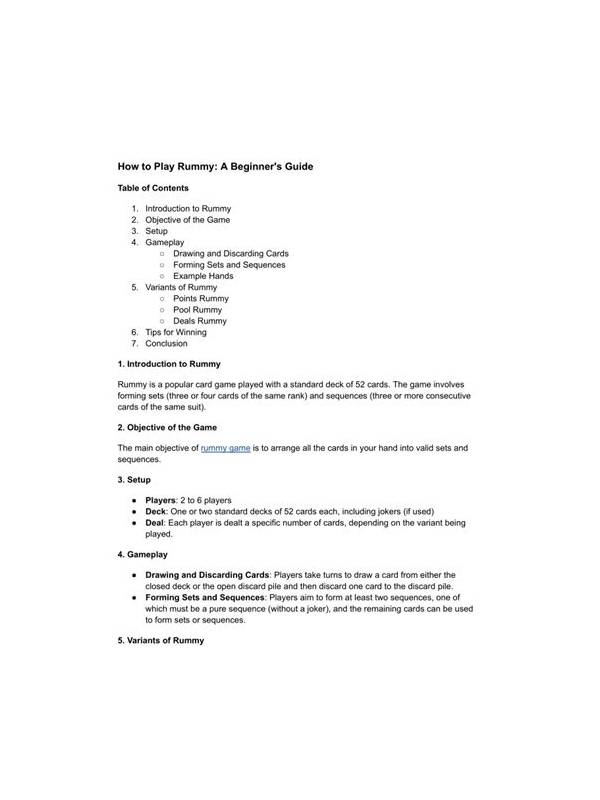
A scoreboard is more than a list of winners. It can show the cost of unfinished hands, the effect of a declaration, and whether your decisions are improving over time. Reading it correctly helps beginners learn without treating one result as a complete judgment.
Identify the scoring unit
First check what the table is measuring. Some formats show points for a single round, while others show cumulative totals across multiple rounds. A low number may be good in one format and unremarkable in another. Read the labels for entry fees, stake values, penalties, or match totals before comparing results.
Separate outcome from process
The winner’s name tells you who finished best in that round. It does not explain every decision. Look for your own score, the cards left in your hand, and any visible penalty reason. A large total may reflect one late mistake, several unconnected cards, or a rules issue such as an invalid declaration. Record the circumstance rather than simply writing “bad game.”
Compare several rounds
One scoreboard is a small sample. After a session, compare a group of rounds and look for repeated patterns. Do you regularly carry high cards? Do you lose points after holding a narrow draw too long? Are your scores stable in short formats but volatile in longer ones? These observations are more useful than chasing a single unusually good result.
Check timing and table settings
Some interfaces display round time, table type, or player count alongside the score. These details affect fair comparison. A score from a quick practice table should not be treated as identical to one from a longer competitive format. Note the rules and pace in your review log.
Avoid using the scoreboard as a reason to continue when you are tired or frustrated. A running total can create pressure to recover immediately, which often leads to rushed decisions. Use it for review after the session, when you can think clearly.
The practical routine is simple: identify the format, read the scoring labels, note the unfinished cards, and compare multiple rounds. A scoreboard becomes a learning tool when it answers “what happened?” and “what pattern should I test next?” rather than only “who won?”
If the display uses abbreviations, confirm them in the help panel before drawing conclusions. Some interfaces show a round score, a balance change, and a bonus in nearby columns. These values are not interchangeable. Save a screenshot only if it contains no sensitive account information, or copy the relevant numbers into a private note. A clean record makes it easier to compare practice sessions and spot whether a change in strategy is actually helping. Review trends when rested, then close the app and return to ordinary activities.
Related Post
Rummy Safety: Check Age and Location Rules Before Playing
Eligibility, location, and format rules can differ, so verify them before entering a table or [...]
Rummy FAQ: What Is a Route Conflict?
A route conflict occurs when one card is being counted as essential to two unfinished [...]