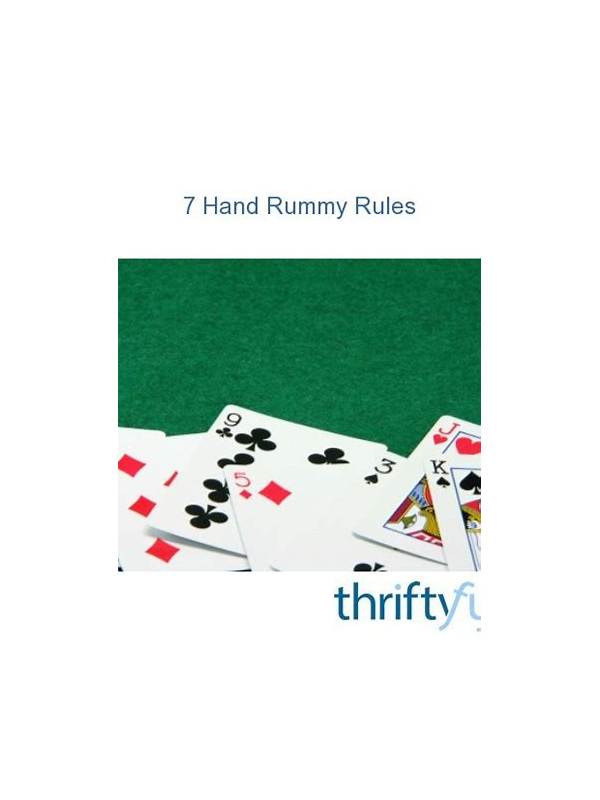
Rummy Guide: Use Card Texture to Improve Physical Sorting

Physical cards provide small sensory clues that can support organization. Texture, orientation, and spacing are not strategic information by themselves, but a consistent layout reduces the mental effort needed to scan a hand. The goal is a readable arrangement, not a fussy display.
Choose one sorting convention before the deal. You might group by suit and order by rank, or place provisional groups from left to right while keeping uncommitted cards in a separate area. Use the same orientation for every card. Reversing a card to mark it as important can accidentally reveal your interest to observant opponents and can make later sorting confusing.
Handle cards gently and evenly. Bent corners, marked backs, or distinctive wear can create information that has nothing to do with play. If a deck is damaged, replace it or agree on a fair solution before starting. A card that feels different should never become a secret signal.
Spacing can show structure without locking you into a conclusion. Leave a small gap between a stable group and a candidate group, but do not spread every possible connection into a dramatic pattern. When a draw changes your plan, move only the affected cards. This preserves a visual trail of what changed and reduces the chance of accidentally overlooking a card.
At the end of a hand, restore the deck and clear the table rather than leaving a private arrangement for others to interpret. A good physical system should make your own scan faster while remaining neutral to everyone else. If sorting becomes elaborate enough to slow a turn, simplify it. Organization is useful when it supports attention; it becomes a distraction when it becomes the activity.
For a new deck, test the layout before beginning a serious session. Place a few sample sequences and sets, then check whether the gaps are easy to read from your normal viewing position. Avoid stacking cards so tightly that one rank or suit is hidden. If you play with sleeves, use consistent backs and replace visibly damaged ones as a set when practical. Good maintenance protects fairness and makes your visual system dependable.
A readable hand is especially helpful when a player uses glasses, low light, or a smaller table.
Keep the cards readable for everyone at the table, not only for the person who sorted them.
Consistent handling also makes it easier to notice when a card has accidentally turned or slipped.
Related Post
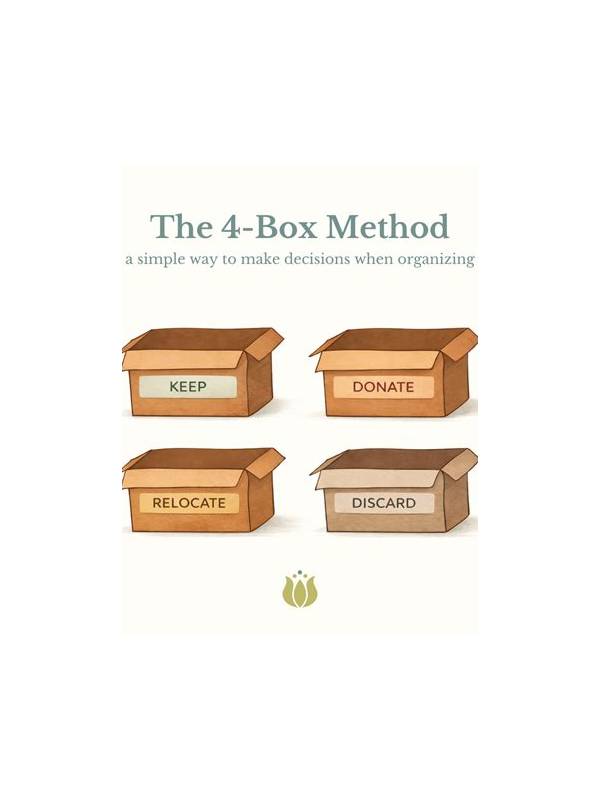
Rummy How-To: Review a Turn With the Four-Box Method
Four simple boxes can separate what you knew, chose, expected, and learned on a rummy [...]
Rummy Guide: Set a Review Point Before the Endgame
A planned endgame review helps you balance completion goals, point exposure, and legal declaration requirements [...]