Rummy How-To: Make a Small Evidence Board for Practice
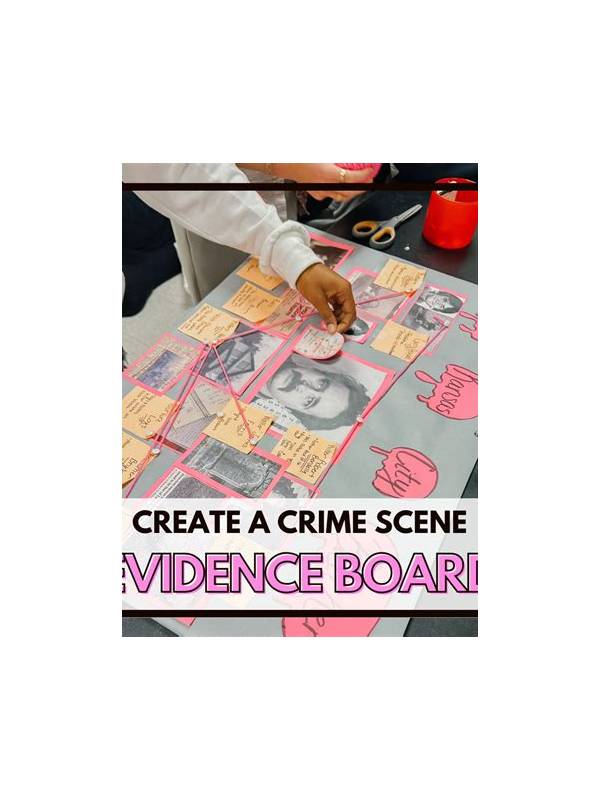
An evidence board is a simple private note divided into three sections: known, possible, and unknown. It is useful during practice because it prevents attractive guesses from blending into facts. The board can be mental, written on paper, or kept in a permitted private note, depending on the table rules.
In the known section, record only information you can verify. This might include your cards, completed groups, visible discards, the format’s declaration requirements, and the number of cards still in your hand. Do not add conclusions such as “the opponent has no hearts.” A discard shows what was released, not everything another player holds.
In the possible section, write two or three active arrangements. For each one, list the missing card types and the cost of keeping the current pieces. A route that needs several connectors may be flexible; a route that needs one exact card is narrow. The board’s job is to compare plans, not create more of them.
In the unknown section, place assumptions you are tempted to use. Examples include believing that an opponent is collecting a suit, expecting a specific card soon, or assuming a discarded card is safe. Marking these as unknown does not make them useless. It simply stops them from carrying the same weight as visible evidence.
Update the board after meaningful events, not every second. A new draw, a relevant pickup, or a change in the hand’s deadline may justify a revision. If the note becomes longer than the hand itself, simplify it. Keep only the facts and choices that affect the next turn.
Review the board after practice. Ask which possible plan became real, which assumption misled you, and whether the known section was accurate. This routine builds disciplined observation while preserving the enjoyable, uncertain character of rummy.
Keep the board neutral in tone. Write “three visible cards from one suit” rather than “the opponent is definitely collecting that suit.” Neutral wording makes it easier to accept contradictory evidence. If you play online, ensure that any note is private and contains no passwords, payment information, or identifying details. The board should improve observation while creating no new privacy risk.
You can also add a timestamp or turn number to each update. That makes later review more precise and shows whether an assumption was reasonable when it was formed. Erase old guesses once they are disproved, but preserve them in a separate practice log if you want to study your reading errors.
Related Post

Rummy FAQ: How Should You Handle a Useful but Risky Discard?
A useful discard can be worth taking when its benefit is clear and its signaling [...]
Rummy Strategy: Compare Discards by Information Cost
A discard can change what opponents learn, so card value should include information as well [...]