Rummy FAQ: What Is a Clean Reset After a Bad Draw?
A bad draw can make a player continue defending an idea that was reasonable one turn earlier. A clean reset is the deliberate moment when you stop treating the old plan as the hand’s identity. You keep useful groups, reassess incomplete cards, and choose a new small objective based on current evidence.
First, separate confirmed structure from unfinished hope. A legal sequence or set may be a stable anchor. A pair, a gap, or a card that was “almost useful” belongs in the review pile. This separation prevents one disappointing draw from causing unnecessary damage to groups that were already working.
Second, count what each unfinished route needs. A plan that requires one of several cards may remain viable. A plan that needs one exact card may deserve a deadline. If two routes depend on the same unresolved card, they are not independent options; they compete for the same future. Recognizing that competition is often the key part of a reset.
Third, choose a modest next objective. You might aim to create one confirmed sequence, reduce a high-value isolated card, or improve the hand’s legality. Avoid demanding a complete solution immediately. A reset is successful when the next decision becomes clearer, not only when the hand suddenly looks excellent.
Do not use the reset to chase the value of a previous loss. The draw was random, and the old plan’s failure does not create a duty to recover quickly. If the game involves money, follow the spending and time limits you set before play. A strategic reset and a session boundary are separate decisions, and both deserve respect.
After the hand, write one sentence about the reset: what changed, which assumption you dropped, and whether the new objective helped. This creates useful feedback without blaming luck. With practice, a clean reset becomes an ordinary skill rather than an emotional reaction.
The reset can also be physical. Move confirmed groups to one side, place uncertain cards in a separate row, and remove obsolete mental labels. This visual change signals that the old plan has ended. Avoid rebuilding the entire hand repeatedly; sort only enough to compare two or three realistic arrangements. If the table is fast, use the technique between hands instead of slowing an active turn. The best reset is brief, factual, and compatible with table rules.
Related Post
Rummy How-To: Audit a Sequence Before You Commit to It
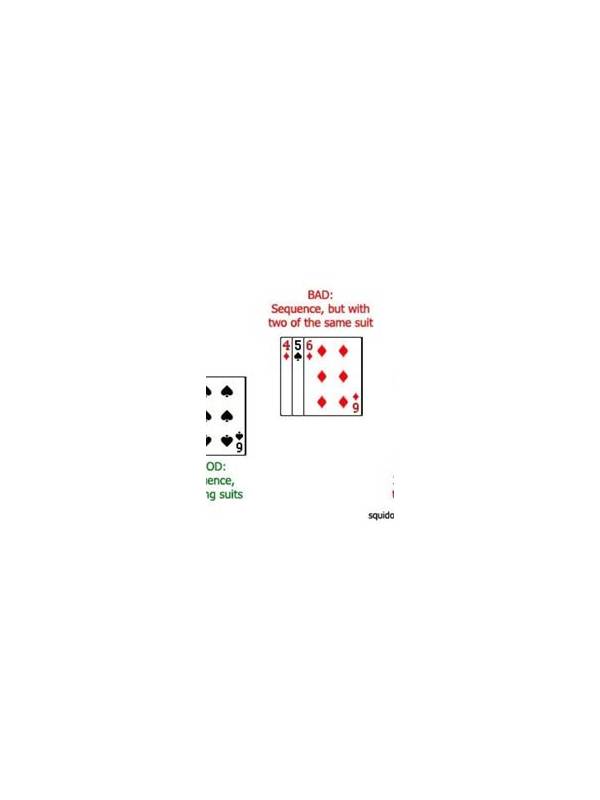
A short sequence audit checks continuity, suit, flexibility, and completion time before you build around [...]
Rummy Safety: Recognize When Advice Is Really a Promise
Learn to distinguish educational rummy guidance from claims that imply guaranteed winnings or outcomes. [...]