Rummy FAQ: Why Should You Check the Table Rules Again?
Experienced players can make basic mistakes when they assume every table uses identical conditions. Formats may differ in the number of cards, joker treatment, scoring, declaration requirements, pickup rules, or time limits. Checking the rules again is especially important when switching platforms or returning after a long break.
Begin with the win condition. Confirm what groups are required and whether a pure or natural sequence has a special role. Do not rely on a memory formed from another variant. A hand that looks complete under one rule set may remain invalid under another.
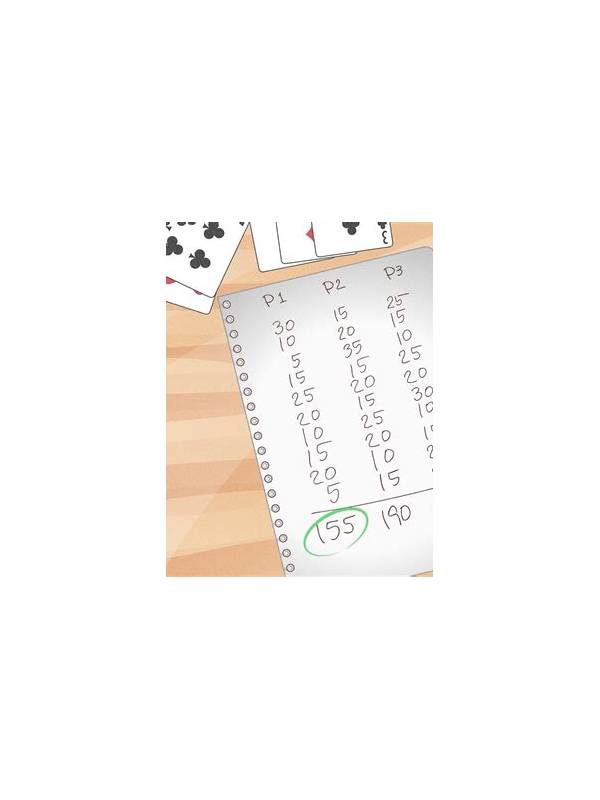
Next, check scoring and penalties. The value of an isolated card can change the best timing for a discard. A joker may be highly flexible, but its permitted use and replacement rules may differ. Read the table’s own explanation rather than assuming a familiar word has a universal definition.
Review action rules as well. Can you take only the top discard? Does taking it reveal information? Is there a declaration confirmation screen? What happens after a disconnect or an expired turn? These details affect both strategy and safety, so they belong in your pre-session routine.
Make a short reference with the rules that change decisions. Keep it separate from promotional language and avoid copying unverified advice from a chat. If a rule is unclear, pause before committing money or entering a competitive hand and seek clarification through the official help route.
Rules are not a distraction from strategy. They define which strategies are legal and how mistakes are scored. A thirty-second review can protect a carefully organized hand and make later analysis meaningful.
Be especially careful when a familiar platform changes its interface or terms. Buttons can move, labels can be shortened, and a rule summary may be updated without matching old tutorials. Read the current table information immediately before play. If two parts of the interface conflict, do not guess which controls the outcome. Record the wording and seek clarification through the official channel before committing.
Keep the reference date visible so you know when it was last checked. Rules are part of the game’s structure, and accurate strategy depends on accurate structure.
This is also a useful habit when inviting a new player: share the relevant conditions before the hand begins, so no one has to learn a material rule from a penalty.
Related Post

Rummy FAQ: Why Is the Best Draw Not Always the Best Keep?
A card can improve a hand temporarily yet remain a poor long-term holding when its [...]
Rummy Table Selection: Match Format to Your Attention
Choosing a table by pace, format, and personal attention helps keep an online rummy session [...]