Rummy Safety: Create a Clear Boundary Between Advice and Support
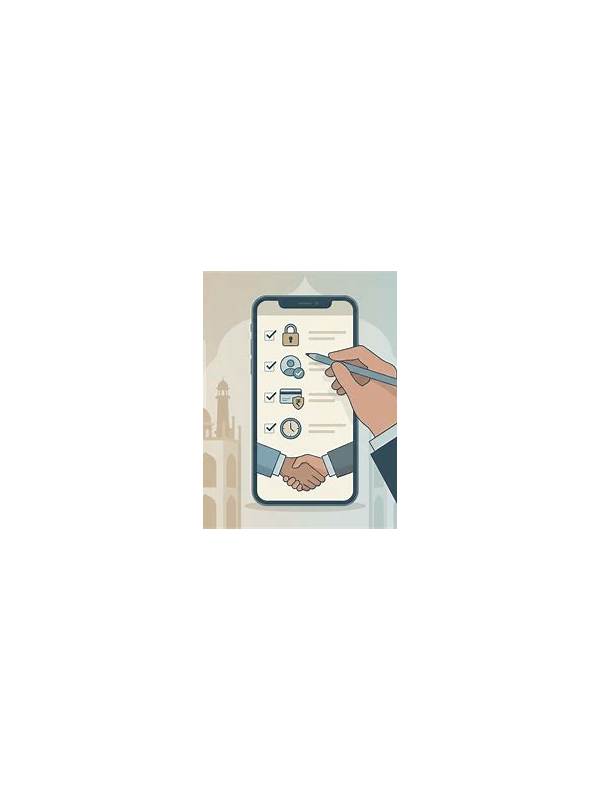
Players sometimes receive messages that mix game advice with requests for account, payment, or login information. The safest response is to separate the two subjects. Someone may offer a harmless tip about sequences while also asking for a code or screenshot that they do not need. A useful playing suggestion does not make a request for sensitive information legitimate.
Create a personal boundary before you need it. Strategy questions can stay general: rules, card grouping, practice methods, or how to read an official help page. Account support should go through the platform’s known support route, reached independently rather than through a link in an unexpected message. Never share a password, one-time code, recovery phrase, payment PIN, or complete payment screenshot with a player, moderator, or supposed helper in a chat.
Look for urgency signals. A message that says you must act immediately, keep the request secret, or send money to unlock help deserves a pause. So does a request to install remote-control software, move a conversation to an unfamiliar channel, or provide a full screen recording. Legitimate support may need limited account information, but it should explain why and should not require credentials that let someone sign in as you.
Use a two-channel check. If a message claims that your account has a problem, open the app or official website yourself and inspect the account or help area. Do not rely on the phone number, button, or address supplied in the message. If the issue is real, the independent route should show a matching notice or provide a way to ask about it.
Protect your learning notes too. A hand review rarely needs your username, balance, transaction history, or identifiable screenshots. Crop or rewrite examples so that only cards and decisions remain. This keeps practice useful while reducing the amount of personal information stored in chats and notebooks.
Finally, separate emotional pressure from technical facts. A losing streak can make a confident stranger sound persuasive, while a worried player may overshare in the hope of fixing a problem quickly. Pause, verify through an independent route, and use official support for account matters. Good rummy advice should improve your decisions, not require control over your account.
Tell practice partners the same boundary in advance. You can discuss a hand openly while agreeing that account access and payment details are private. A shared expectation makes it easier to decline an inappropriate request without debating it in the middle of a session.
Related Post
Rummy Guide: Use a Turn-by-Turn Planning Grid
A compact planning grid gives rummy players a way to compare hand progress without writing [...]
Rummy Strategy: Preserve Options Without Holding Everything
Flexible play means keeping useful choices while still releasing cards that no longer serve a [...]