Rummy How-To: Use a Replacement Test Before Holding a Loose Card
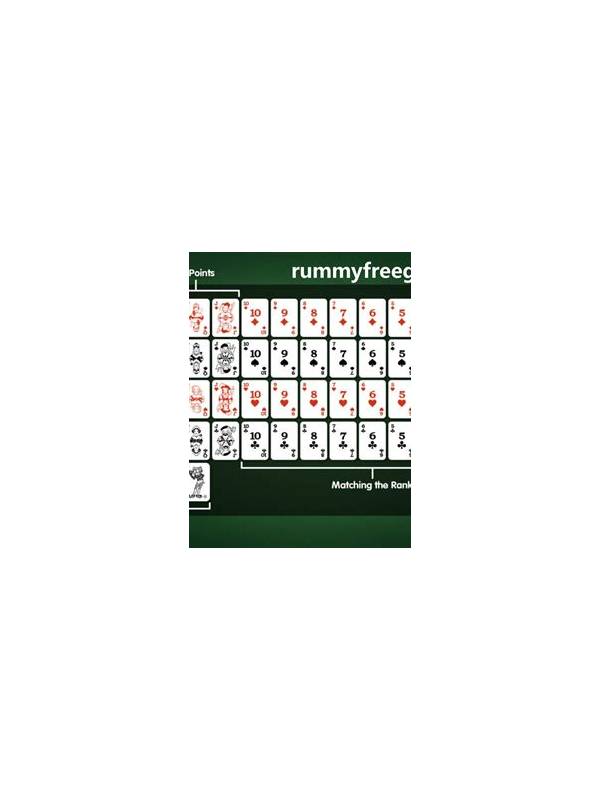
Loose cards create many rummy decisions because they may be useful later without belonging to a complete group now. Instead of asking whether a card looks promising, use a replacement test. The test compares the card’s present role with the cost of finding something that can take its place.
Begin by naming the card’s job in one sentence. It might be an anchor for a possible sequence, one half of a set, a blocker against a high penalty, or simply a card you have not evaluated. If you cannot give it a job, mark it as an unassigned card. That label is useful because it prevents vague hope from controlling the decision.
Now imagine the next useful draw. What would make the card clearly valuable? Write down one or two realistic results, not every card that could theoretically help. Then ask what your hand would look like if you discarded the loose card and received an ordinary card instead. Would another group remain intact? Would you lose a route that had several available completions? Or would the hand become easier to sort?
The test has three outcomes. Keep when the card has a live job and replacing it would require an exact or unlikely draw. Release when it has no practical job and its departure improves structure or reduces penalty. Set a deadline when the card is plausible but narrow. A deadline might be the next one or two turns, after which you reassess rather than defending the original idea automatically.
Do not treat the replacement test as a probability calculation. You rarely know the full distribution of unseen cards, and a quick table decision does not require false precision. The purpose is to compare dependence. A card that depends on several exact events is fragile; a card that can be replaced by many useful outcomes is easier to release.
Try the test with a physical hand by moving a loose card to one side. Build the remaining cards into the clearest groups you can. Then return the card and remove a different candidate. The visual comparison often reveals that one “promising” card was actually making the hand harder to interpret.
In review, record whether the card’s job was still valid when you kept it. If not, the error was not necessarily choosing badly at the start; it may have been failing to update. Replacement tests are most helpful when repeated after new information changes the hand.
Related Post
Rummy Table Safety: Avoid Playing While Distracted
A quick distraction check helps players protect attention, privacy, and session boundaries while using an [...]
Rummy How-To: End a Session With a Reset Routine
A short reset routine closes a rummy session cleanly and prevents one more hand from [...]