Rummy Safety: Recognize Impersonation and Fake Support Messages
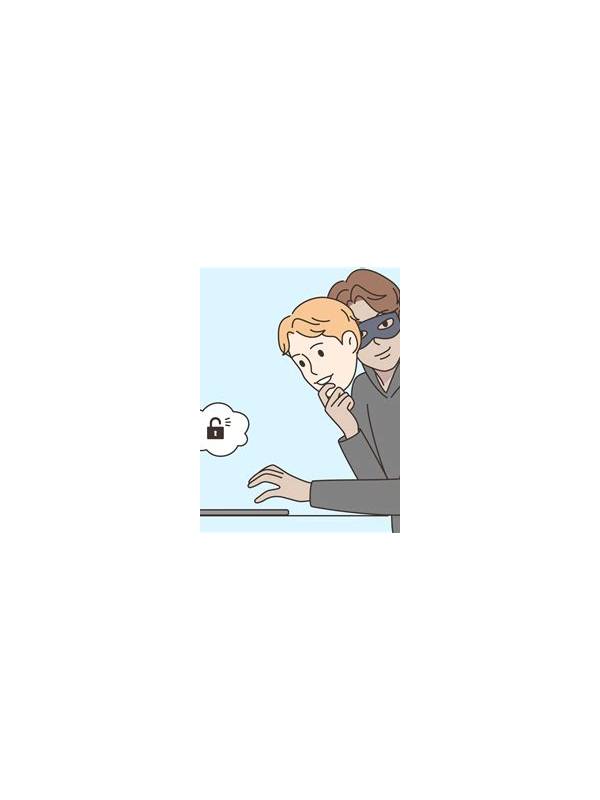
Messages that claim to come from a game operator, moderator, or support agent deserve careful verification. Impersonators may use familiar logos, urgent language, or a name that resembles a real account. The safest response is to pause and verify through an official channel you open yourself, rather than through a link or number supplied in the message.
Look for pressure signals. Requests to act immediately, threats of account closure, promises of guaranteed winnings, and demands for a one-time code are all reasons to stop. A legitimate support process may need information to investigate a problem, but it should not require you to reveal a password, authentication code, recovery phrase, or full payment credentials in a chat.
Do not trust the appearance of a profile alone. Check the sender address, account handle, and the exact spelling of the service name. A small change in punctuation or a different domain can be meaningful. Avoid clicking attachments or shortened links while you investigate. Instead, type the known official address into your browser or use the application’s built-in help section, if available.
If a message concerns a payment, verify it independently in your account’s transaction history. Do not send money to unlock a withdrawal, confirm a prize, or “secure” an account based only on a message. If you use a bank or wallet, contact that provider through its published app or website. Keep screenshots for your own record, but redact account numbers and personal identifiers before sharing them with anyone.
If you already responded, change the affected password from the official service and enable stronger authentication where available. Review active sessions, sign out of unfamiliar devices, and contact the service using a verified route. If financial information was exposed, contact the relevant financial institution promptly. Do not continue the conversation with the suspected impersonator while trying to recover the account.
Make verification a routine rather than a reaction. Save the official help path, learn what genuine notifications look like, and keep sensitive codes private. Responsible play includes protecting the account around the table, not just making careful card decisions. When a message creates urgency, that is precisely when a slow, independent check is most valuable. If you are unsure whether a message is genuine, no response is safer than a rushed response. A real support team can usually handle a delayed reply through its normal ticket process. Save the message details privately and report the account through the verified reporting function if one exists. Do not warn the sender that you are investigating, since continued conversation can expose more information and increase pressure. Make sure family members who share the device also know that codes and passwords are private. A few minutes of caution can prevent a long recovery process.
Related Post
Rummy How-To: Create a Two-Stage Hand Review
A two-stage review separates immediate legality from longer-term hand improvement. [...]
Rummy Comparison: Drawing From the Deck or Taking the Pile
Compare the privacy of a deck draw with the information cost and possible precision of [...]