Rummy Strategy: Compare Two Complete Hand Shapes
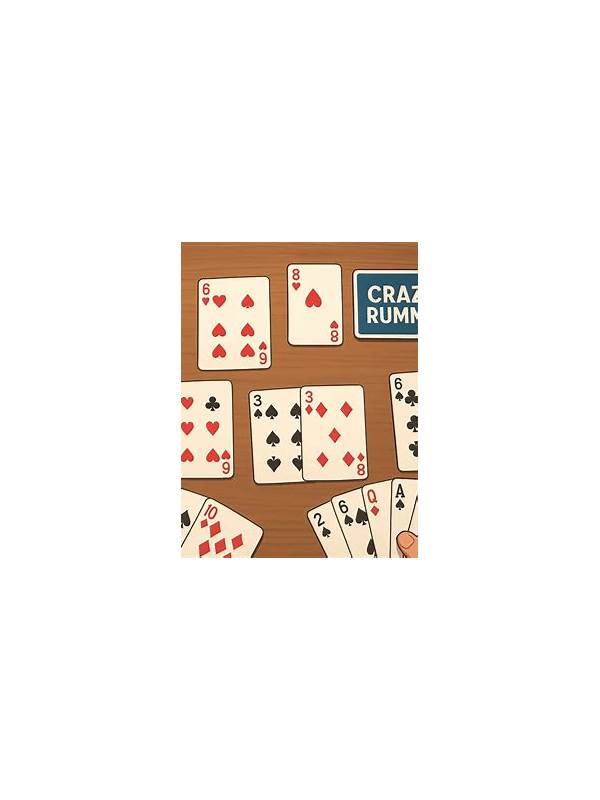
Rummy players often focus on the next useful card, but a better question is sometimes what the whole hand could look like after improvement. Two cards may both appear helpful while supporting very different finished structures. Comparing complete hand shapes gives the decision a wider frame and helps prevent a promising pair from controlling every later choice.
Sketch the first shape
Start with the structure that uses the fewest assumptions. Mark any confirmed sequence, set, or required pure sequence according to the rules of the table. Then group the remaining cards around specific needs. For example, a pair might need one neighbouring rank, while a loose high card may need two exact cards. Do not call the shape complete until every card has a place.
Sketch an alternative
Build a second arrangement using the same hand. It may sacrifice a small connection to preserve a stronger group elsewhere. This alternative is valuable even when it looks less attractive at first. The purpose is not to predict the exact next draw; it is to discover whether your first plan is genuinely better or merely easier to imagine.
Compare the shapes on four measures
First, compare completion breadth: how many unseen cards could improve each shape? Second, compare stability: does one new card force several groups to be rearranged? Third, compare discard flexibility: can you safely release a card if neither plan improves? Fourth, compare penalty exposure if the round ends before completion. A hand with slightly fewer immediate outs may still be preferable if it leaves a safer fallback.
Recheck after every meaningful draw
The comparison is not a permanent commitment. A new card can change which shape has the wider route. Keep the two sketches simple and update only when a draw creates a real structural change. If you constantly rebuild every group, you may spend more attention on diagrams than on the actual turn.
Use a clear decision sentence
Before discarding, say silently: “I am keeping shape A because it has broader improvements and a usable fallback.” If you cannot finish that sentence, the hand may need another neutral inspection. This technique separates evidence from hope. It also makes post-game review easier because you can identify whether the choice failed because the comparison was wrong or because an unlikely draw simply did not arrive.
The goal is not to find a perfect arrangement at every turn. It is to compare realistic hand shapes, preserve options, and make the next discard for a reason that remains understandable later.
Related Post
Rummy Comparison: Early Melds or More Information First?
Early melds can simplify a hand, while waiting can preserve flexibility; the right choice depends [...]
Rummy Comparison: Drawing From Stock or Discard
Compare the strategic and informational tradeoffs between an unknown stock card and a visible discard. [...]