Rummy Comparison: Sorting by Suit Versus Sorting by Rank
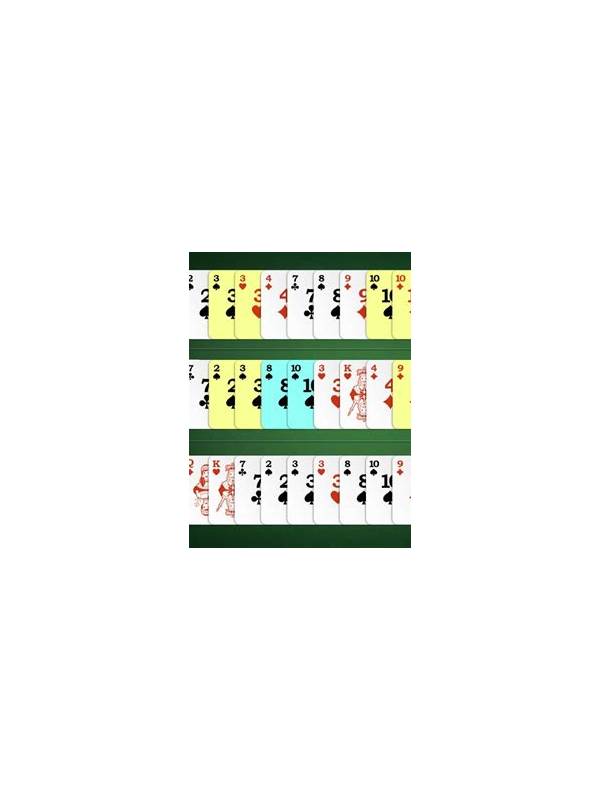
Sorting by suit makes sequences easy to see, while sorting by rank makes sets and repeated values easy to see. Neither arrangement is permanently superior. The most useful approach is to switch between them when the hand is unclear, using each view to answer a different question.
Begin with suit sorting when you are checking for runs. Cards placed in rank order within each suit show gaps immediately. You can see whether a four and six need a five, or whether a high card is isolated from the rest of that suit. This view is especially helpful when a pure sequence or another sequence requirement matters.
Change to rank sorting when several cards share the same value. Grouping all sevens, queens, or threes together shows potential sets and makes duplicate suits visible. It also helps you avoid treating a pair as a sequence simply because the cards happen to sit near each other in the original display.
After both views, mark the overlap. A card may support a suit-based sequence and a rank-based set at the same time. These overlapping cards deserve deliberate treatment because discarding one can close one route while preserving another. If a card has no useful role in either view, it becomes a clearer candidate for release.
Use the display that matches the current decision. If you are choosing between two sequence draws, suit sorting is efficient. If you are deciding whether to break a pair, rank sorting gives better context. If you are nearly ready to declare, inspect both views once more to confirm that every card belongs to a legal group and that the required structures are present.
The switch should be quick rather than decorative. Sorting is valuable when it exposes a connection or a risk that was hidden before. With practice, the two views become a mental check: suit asks “what can run?” and rank asks “what can match?” Together they reduce the chance that a convenient layout will mislead you.
If the interface sorts automatically, still learn to read both patterns. A visual arrangement is only a display choice, and it may change after an update or on another device. Mentally regrouping the cards helps you carry the skill across platforms. It also makes practice records more useful because you can describe whether a missed possibility was sequence-based, set-based, or a conflict between the two. This language makes later review concrete and helps you choose the right sorting view earlier next time.
Related Post
How to Compare Rummy Cards by Future Use
Looking at a card’s possible future roles can improve discard choices beyond simple point counting. [...]
Rummy FAQ: Can You Change Your Winning Route Mid-Hand?
Changing plans is often sensible when new cards provide stronger structure, but the switch should [...]