Rummy FAQ: How Should Beginners Handle Conflicting Clues?

Conflicting clues are normal in rummy. A player may take a card that suggests one pattern and later discard a related card. The discard pile may offer a useful card while also implying that another player is interested in the same area. Beginners do not need to solve every contradiction. They need a method for staying cautious.
First, list the visible facts without explaining them. Then identify which clue affects your decision directly. If your own hand has a safe alternative, an uncertain opponent signal may not deserve much weight. If your plan depends on one narrow card, the same clue may justify keeping a backup. This keeps table reading proportional to its practical impact.
When clues conflict, prefer robust decisions. A robust discard is one that protects your hand across several plausible explanations. It may not maximize a single optimistic line, but it avoids heavy penalty and preserves a second route. Robustness is especially valuable when you have little experience interpreting patterns or when the table moves quickly.
Avoid reversing your belief after every action. Set a confidence level: confirmed, plausible, or weak. A single contradictory discard may lower a plausible theory to weak without proving the opposite. Continue gathering information while your own plan remains sound. If the theory affects only an opponent’s likely group and not your release choice, you can safely ignore it.
After the hand, compare your interpretation with the actual information available at the end. Ask whether the conflict could have been resolved earlier, or whether it was genuinely ambiguous. This teaches you which clues are reliable in the particular rules and table environment.
The goal is not perfect opponent reading. It is decision stability. When evidence disagrees, slow down briefly, separate facts from guesses, and choose the move with a reasonable backup. A player who handles uncertainty calmly will often make fewer costly errors than one who confidently follows a single story about the table. Beginners can also ask whether a clue changes their own legal options. If it does not, leave it in the background. Strong players are not necessarily those who explain every opponent action; they are often the ones who know which information is worth using. This filter makes the game less overwhelming and gives practice a clear direction.
When in doubt, protect your own hand first, follow the published rules, and let later evidence update your view. That is a sound beginner habit.
Related Post
Rummy Guide: Build a Backup Plan Around One Strong Group
A reliable backup plan protects a confirmed group while keeping uncertain cards replaceable. [...]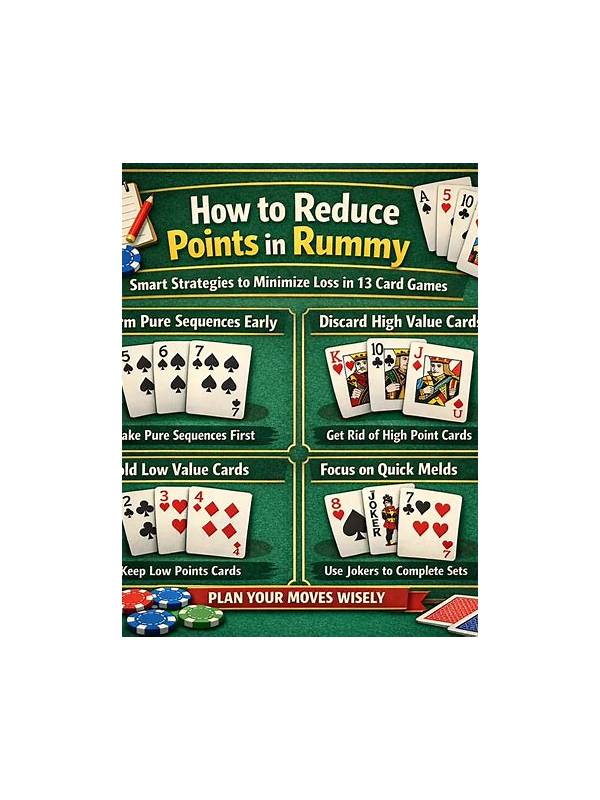
Rummy Tips: Reduce Dead Weight One Card at a Time
Removing isolated cards systematically can make a difficult rummy hand easier to complete and safer [...]