Rummy Safety: Use a Stop Condition for Unclear Tables
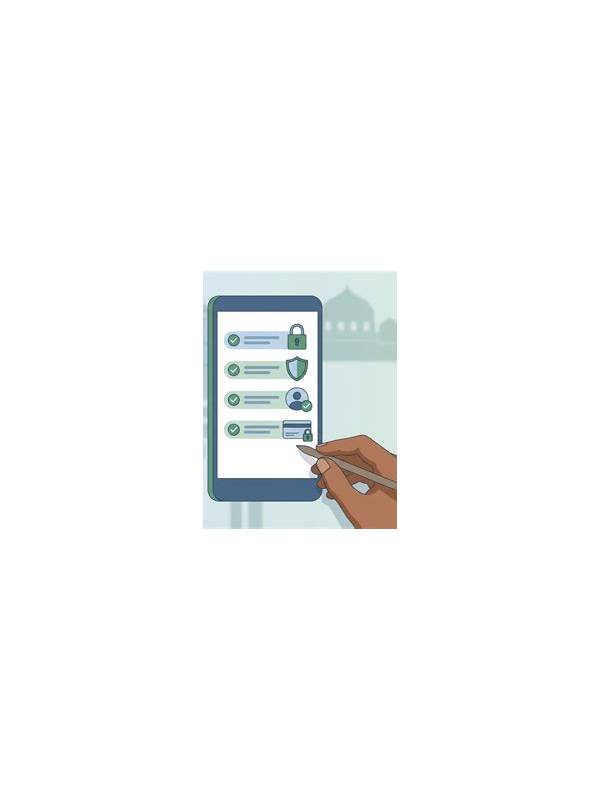
Uncertainty at a rummy table is not always a strategy problem. A rule may be displayed differently than expected, a payment screen may look unfamiliar, or table communication may become pressuring. Decide in advance what conditions require a pause or exit so that urgency does not make the decision for you.
Write three stop conditions before joining. One can concern rules: if the table’s format, scoring, or declaration requirement cannot be verified through official information, do not continue. Another can concern account or payment activity: if a request asks for credentials, an unusual transfer, or a confirmation you cannot independently validate, stop and use official support. The third can concern conduct: if other players pressure you to keep playing, reveal private details, or chase losses, leave the table.
A stop condition is not a prediction that something bad will happen. It is a boundary that reduces negotiation with yourself in a stressful moment. Keep it short enough to remember. “Unclear rule, unclear payment, or pressure means pause” may be enough.
When a condition appears, preserve useful evidence without oversharing. Note the time, table format, and general message. Avoid sending full screenshots that expose account numbers, balances, or personal data. If you contact support, use the official route and provide only what is necessary for the issue to be investigated.
Do not let a temporary connection problem force a rushed re-entry. Confirm whether the hand ended, whether turn order changed, and whether any financial action occurred before continuing. If you cannot establish the state, take a break and verify it independently.
Review your stop conditions after a session. Were they clear? Did you notice them early? Did you need another boundary, such as a screen-break trigger or spending limit? A good safety rule should be practical, visible, and easy to follow when attention is already under pressure.
If you pause, do not treat the pause as a challenge to overcome. Check the official information, restore your attention, and return only when the condition is resolved. Leaving a table is also a valid outcome when the uncertainty cannot be settled promptly.
Tell yourself that safety boundaries are part of responsible play, not evidence of poor confidence. A clear exit can protect time, money, and personal information. If a concern involves account security or a transaction, document only the necessary facts and contact the platform through its independently verified support channel. That is a reasonable safety practice.
Related Post
Rummy Safety: Keep Notifications From Revealing Your Play
Adjust notification and lock-screen settings to reduce accidental exposure while playing rummy. [...]
Rummy Comparison: Draw Pile Versus Discard Pile Information
Compare the strategic information offered by blind draws and visible discards in rummy. [...]