Rummy Tips: Rehearse the Next Discard
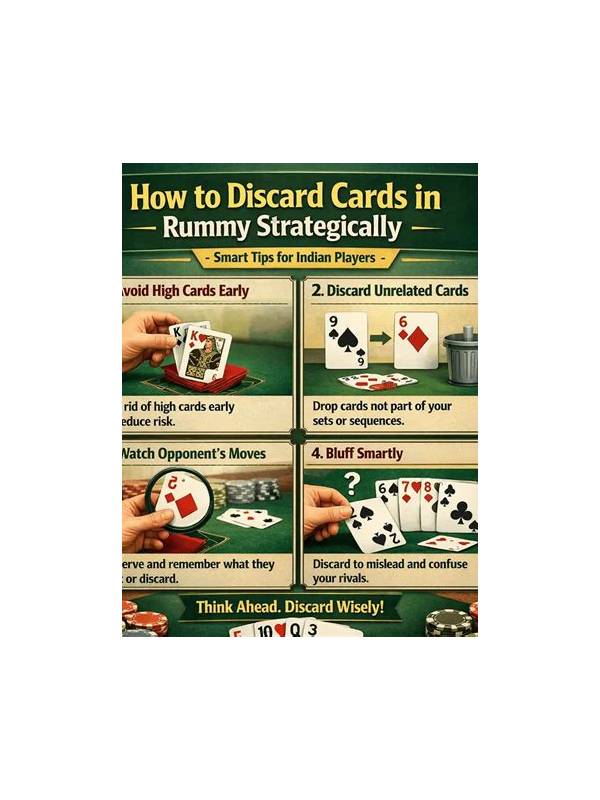
Before the next draw, spend a moment imagining two likely outcomes: a card that helps your main plan and a card that does not. For each outcome, name a likely discard. This rehearsal is not a prediction exercise. It prepares you to compare the new information with the hand you actually hold.
Choose candidates based on current jobs, not on a fixed rule such as always discarding the highest card. If a helpful draw makes one card redundant, identify it now. If a neutral draw leaves a weak group unchanged, decide which card you would release to avoid extending that group without evidence.
Keep the rehearsal conditional. Say, “If the draw completes this route, I release the spare connector; if it does not, I review the narrow pair.” Conditional language prevents the first imagined outcome from becoming an emotional commitment. It also makes it easier to notice when the actual card changes the entire structure.
Include table information when it matters. A discard that is harmless in isolation may be risky after an opponent repeatedly takes the same family. Conversely, a card that looks useful to others may be safer when several copies are already visible. The rehearsal should remain brief but grounded in what you know.
Do not rehearse every possible card. Pick the most likely categories: a direct completion, a card that improves a secondary route, and a neutral or awkward card. The goal is a response framework, not a full tree. If the actual draw is surprising, pause and rebuild rather than forcing it into an old category.
After the hand, note whether the rehearsal improved your speed or merely encouraged a bias. If you discarded automatically despite new evidence, make the next rehearsal more explicit about stopping and reassessing. Used well, this habit creates calm without turning a recreational game into a rigid script.
The rehearsal should never justify acting before the draw is visible. It is only preparation. Once the card arrives, confirm the table rules and inspect the whole hand again. Preparation improves speed, but fresh evidence still has priority over the scenario you imagined.
Treat the rehearsal as a prompt to look, not permission to stop looking. That distinction keeps preparation flexible.
Related Post
Rummy FAQ: When Should You Replace a Hand Note?
Replace a hand note when new information changes its decision value, not merely because the [...]
Rummy Table Safety: Avoid Playing While Distracted
A quick distraction check helps players protect attention, privacy, and session boundaries while using an [...]