Rummy FAQ: Why Does Hand Clarity Matter?
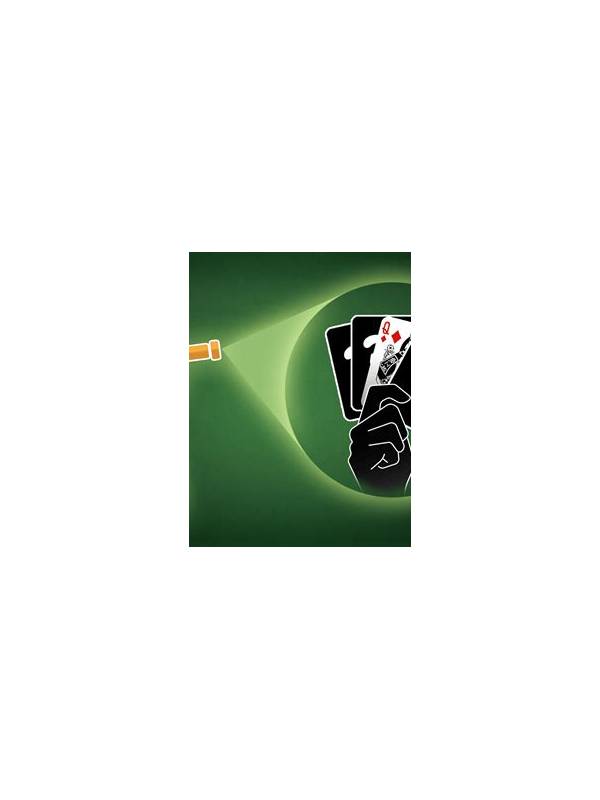
Hand clarity is not just an aesthetic preference. When cards are sorted by plausible groups, you can see which plans overlap, which cards are idle, and which gaps need attention. Poor organization hides these relationships and makes a player rely on memory at exactly the moment a decision is time-sensitive.
Clarity begins with a consistent sorting routine. Separate confirmed groups from possible groups and loose cards. Within a possible group, mark the missing condition mentally or in a private note. Avoid placing a card in a group simply because it looks close; label uncertain arrangements as uncertain so they do not acquire false authority.
Clear hands also expose shared dependencies. Two possible sequences may both need the same rank, or two sets may compete for one duplicate. Once that overlap is visible, you can decide whether to commit, wait briefly, or abandon one route. Without sorting, the same dependency may feel like two independent chances.
The routine helps with scoring and safety as well. You are less likely to overlook a high-penalty orphan, misremember a rule requirement, or capture a screenshot containing more private information than intended. A tidy private view supports both strategic accuracy and responsible record-keeping.
Do not confuse clarity with certainty. A neatly arranged plan can still be weak. Use visual order to generate questions, then test those questions against timing, visible cards, and table rules. If a group has no practical completion route, moving it into the “possible” area will not make it stronger.
At the end of a hand, ask which card or gap was hardest to see. That answer can improve your future sorting layout. Small improvements—consistent spacing, a separate orphan area, or a short group label—often produce more benefit than trying to remember more theoretical patterns.
Clarity is especially valuable when another player changes the pace. A well-sorted hand lets you answer quickly without making an automatic choice. It also makes a pause more productive because you can inspect the most important gap instead of reconstructing the hand from memory.
The routine should serve your decisions, so change it if a layout consistently hides a card or gap. Practical clarity is the standard.
Even a small change in spacing can make a difficult hand easier to inspect. Test the layout during practice, when there is no pressure to act quickly.
Related Post
Rummy Guide: Use a Two-Column Decision Journal
A simple two-column journal separates what you saw from what you decided and makes hand [...]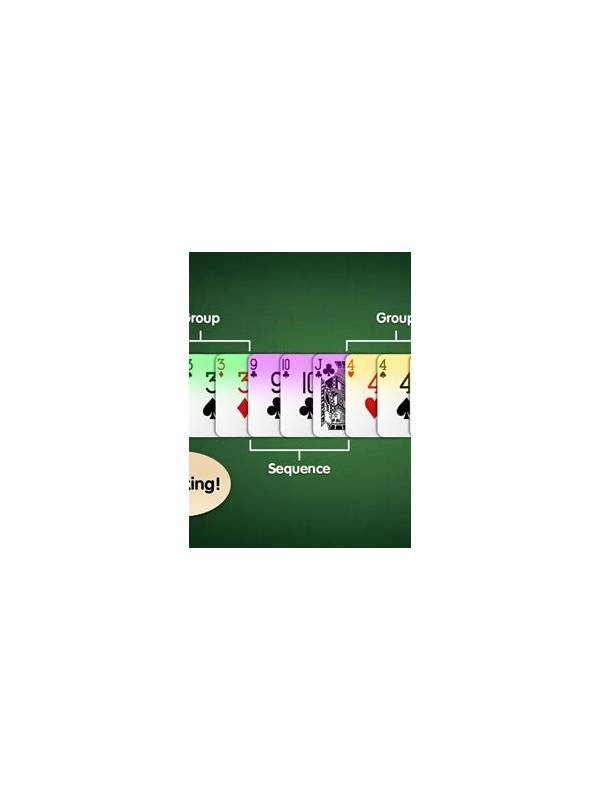
Rummy Practice: Explain Every Card With a Single Sentence
A compact explanation drill reveals whether each retained card has a real role in your [...]