Rummy Guide: Read a Hand by Its Bottleneck
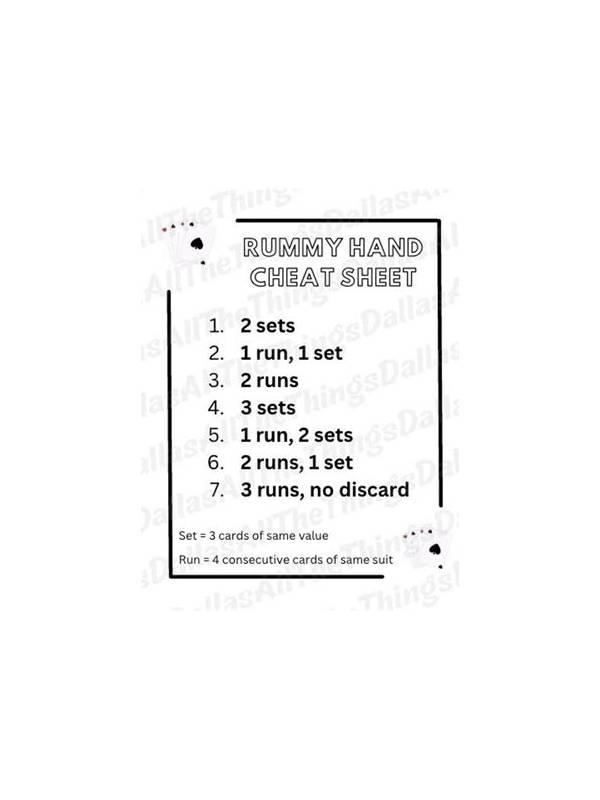
Many rummy hands look difficult because several small problems appear at once. One group may need a connector, another may contain a high card, and a third may be competing with both. Instead of treating every problem as equally urgent, look for the bottleneck: the single condition that most limits your next useful action.
Start by sorting the hand into proposed sequences, sets, and loose cards. For each proposed group, write down what it needs. A sequence might need one rank on either side; a set might need a matching rank in another suit. Then ask which missing card or decision appears in more than one plan. That shared requirement is often the bottleneck.
A bottleneck can also be time. A plan may have several possible cards but need four turns to mature, while another needs one card and can finish quickly. In that case, the slow plan is the constraint even if it looks attractive. Record both the card requirement and the number of likely turns.
Once the bottleneck is visible, choose an action that tests it. Keep a card only when it supports a credible route, or release it if the route depends on a narrow draw. Avoid changing every group at once. One deliberate adjustment gives you better information than a complete rearrangement based on anxiety.
Review the bottleneck after each meaningful draw or discard. A visible card can remove one route; a new card can create a less expensive one. The purpose is not to predict the exact future. It is to know which limitation deserves attention now. This approach keeps rummy decisions concrete and helps prevent a promising but restricted plan from controlling the whole hand.
For practice, review one completed hand and circle the moment when the bottleneck first became visible. Note whether you noticed it immediately or only after a failed draw. Then write the smallest action that could have tested it. This exercise builds recognition without pretending that the later result was inevitable. In a live game, use a neutral phrase such as “main constraint” in your notes. Neutral language makes it easier to update the plan when new cards arrive and prevents you from becoming attached to your first explanation. If two constraints compete, choose the one that affects more cards or carries the larger penalty. Recheck after the next draw because a new card can change the priority immediately. This habit turns a complicated hand into a sequence of smaller questions and leaves you with a defensible reason for each adjustment.
Related Post
Rummy Tips: Use a One-Meld Commitment Test
Test a candidate rummy meld before committing by checking its legality, alternatives, and replacement cost. [...]
Rummy How-To: Prepare a Simple End-of-Hand Checklist
A repeatable final review helps you confirm structures, rules, and the declaration step before ending [...]