Rummy Safety: Create a Simple Session Stop Checklist
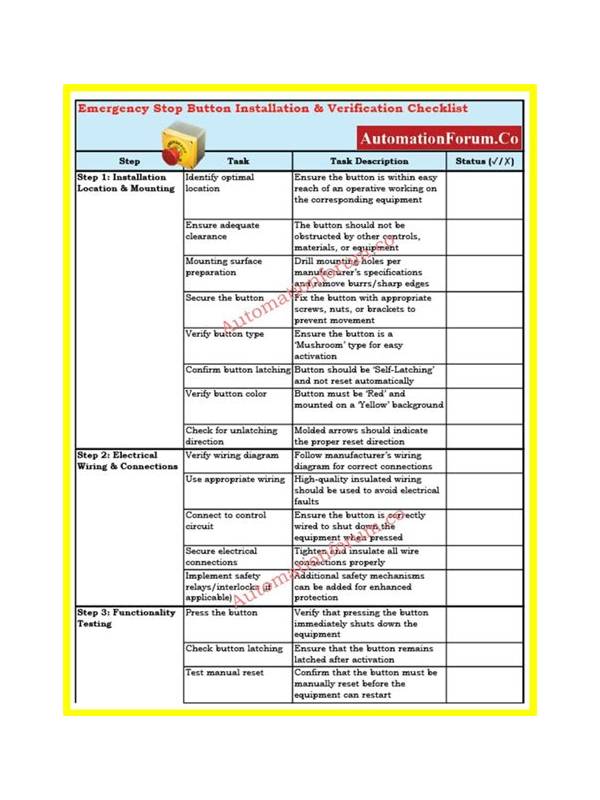
Stopping is part of safe play, but deciding in the heat of a session can be difficult. A short checklist created beforehand turns a vague intention into a clear boundary. It should cover time, spending, attention, and technical or emotional warning signs.
Set the time boundary first. Choose a stop time and an alarm that is independent of the game interface. When it rings, finish the current permitted action and leave according to the platform’s normal process. Do not extend the session simply because a round is close to completion or because an earlier result was disappointing.
Set a spending boundary separately. Only use an amount you can afford to lose, and do not increase it to recover a loss. If the platform offers account limits, cooling-off tools, or self-exclusion settings, learn where they are before playing. Never borrow money or use essential household funds for a game session.
Add attention triggers. Stop if you are playing while angry, unusually tired, distracted, or unable to follow the cards and timer. A win can also be a trigger for a pause because excitement may encourage unplanned continuation. Technical triggers include repeated disconnects, confusing payment prompts, or an unexpected request for private information.
Keep the checklist visible and review it before joining. A stop is successful even when the session outcome is unfinished. Record only neutral details afterward, such as duration and whether a boundary was respected; never store passwords, codes, or unnecessary financial information in a game note. Safe play depends on the ability to leave cleanly. Tell someone in your household about the boundary if that helps you keep it, but do not share account credentials or private financial details. Keep payment and game decisions separate from essential bills, and avoid playing when you need to make an urgent real-world choice. If a stop condition appears, treat it as information about the session, not as a challenge to overcome. A checklist works when it is followed before frustration or excitement can negotiate with it. For reliable practice, make the check before looking at the next card. State your choice in one sentence and note the alternative you rejected. This creates a small record of reasoning rather than a result-only judgment. The habit is valuable in both favorable and unfavorable rounds because it shows whether the process stayed consistent when the hand changed. Review the checklist when circumstances change, but do not rewrite a limit simply because the session is exciting. A boundary is most useful when it remains stable under pressure. If you repeatedly ignore one item, choose a stronger control such as an account setting, a trusted reminder, or a longer break before returning.
Related Post
Rummy Safety: Manage Data Permissions in a Gaming App
Reviewing app permissions and privacy settings can reduce unnecessary exposure when using a mobile rummy [...]
Rummy Guide: Plan Around a Known Joker
A joker is most useful when it solves a defined structural problem without hiding a [...]