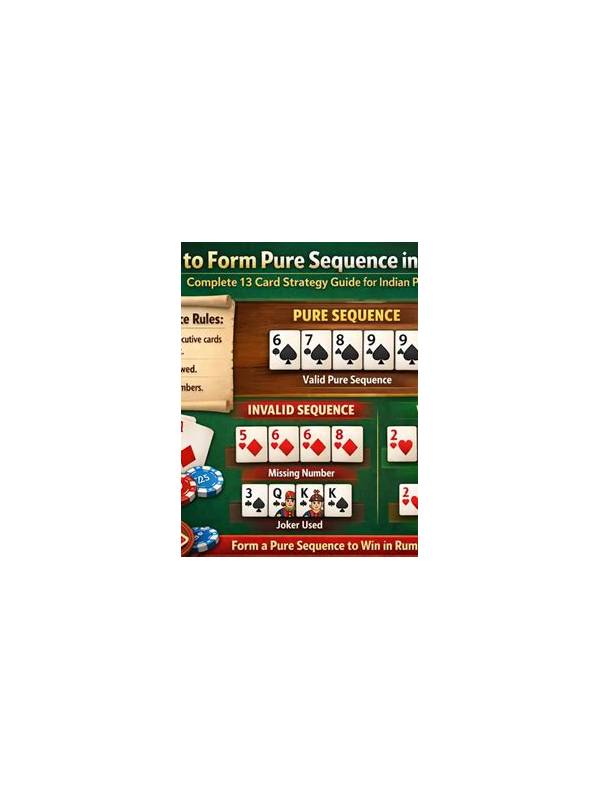
Rummy Tips: Notice When a Card Changes Jobs
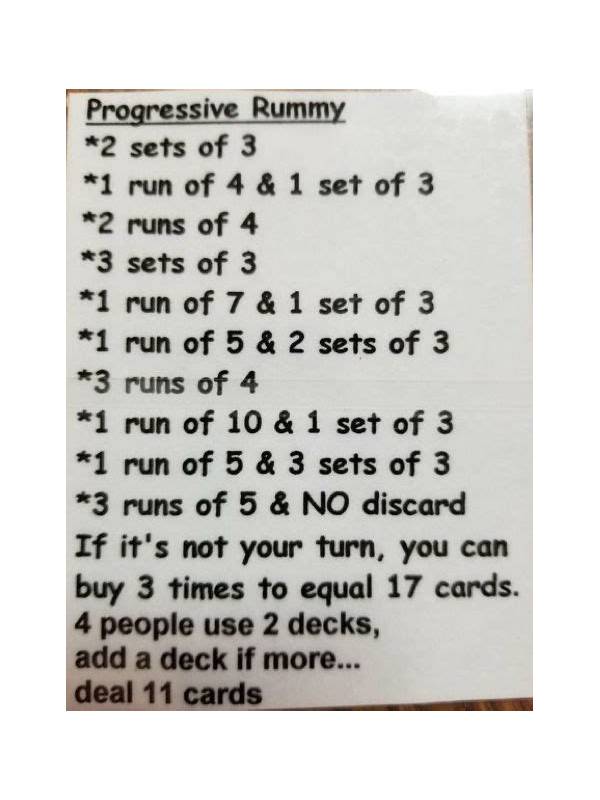
Players often label a card once and then treat that label as permanent. A six may be called a sequence connector, a queen may be marked as a liability, and a joker may be reserved for later. Yet every draw, discard, and completed group changes the surrounding hand. Good review includes noticing when a card changes jobs.
Begin by assigning each card a current role: finished, building, waiting, protective, or unexplained. A building card supports a group that still needs work. A waiting card is useful only if a narrow card arrives. A protective card may be held because releasing it would expose a valuable route. “Unexplained” is not an insult; it is a signal that the card has no clear reason to remain.
After a new draw, rescan the hand instead of simply adding the card to its old arrangement. Suppose you draw a natural card that completes a pure sequence. The cards previously supporting that sequence may now become spare connectors, or they may help a second group. A pair that once seemed central may lose its job when another route becomes shorter. Conversely, a low card that looked disposable can become the only bridge between two useful neighbors.
Use a job-change test before discarding. Ask: what did this card do one turn ago, what can it do now, and what information would make that role change again? If the answer is vague, compare the card with another vague card and release the one with fewer credible assignments. If both are flexible, prefer the discard that leaves your groups easier to audit.
This method also improves post-game notes. Instead of writing “I kept the wrong six,” record “the six stayed marked as a connector after its route became too narrow.” That wording identifies a process error rather than blaming the result. Roles are temporary working labels, not promises. Revisiting them keeps the hand responsive and reduces the risk of carrying an obsolete plan through every turn.
One practical habit is to mark a role change with the turn number in a practice note. This shows whether you held a card after its useful job ended. Do not force a change just to make the hand look simpler; a card can legitimately keep several roles for a while. The review question is whether the role is still supported by the current arrangement. If the answer is yes, keeping it is an active choice. If the answer is no, compare its release condition with the other loose cards.
Related Post

Rummy Safety: Protect Your Eyes During Long Screen Sessions
Simple screen and break habits can make extended online rummy practice more comfortable and sustainable. [...]
Rummy Practice: Reconstruct a Hand From Its Decisions
Rebuilding a sample hand from each draw and discard reveals where a plan became stronger [...]