Rummy FAQ: Can You Rearrange Cards After Drawing?
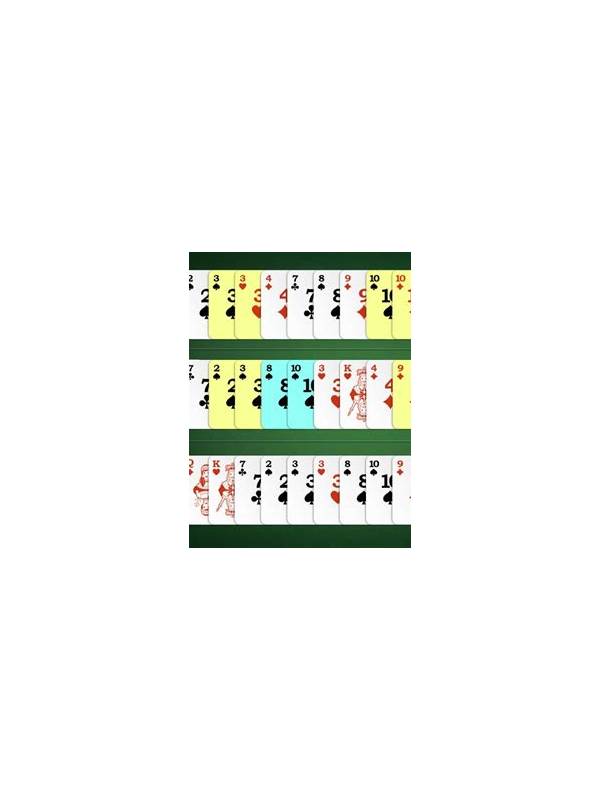
Players often ask whether they can rearrange cards immediately after drawing in a rummy game. In most formats, arranging cards in your private hand is simply an organizational action. You may sort by suit, group possible sequences, or move a joker while thinking. The important distinction is between private organization and an action that changes the table state.
Rearranging does not create a new card, remove a card, or complete a declaration. It only changes how you view the cards. A player can therefore use arrangement to compare plans, provided the platform or house rules do not impose a special interface restriction. A physical game may require cards to remain visible to all players, while an app may automatically sort them.
The limits become important when a turn is in progress. Drawing, discarding, declaring, and submitting a move are governed by the active rules. Moving a card on the screen does not extend the turn timer or undo a discard. If an app has a confirmation button, read what it confirms before pressing it. A visual rearrangement should never be mistaken for a reversible game action.
A good arrangement can also prevent mistakes. Many players sort by suit first, then place nearby ranks together, leaving isolated high cards at the side. Others separate confirmed groups from possible groups. Either method is fine if it is consistent. The purpose is to make it obvious which cards are already assigned and which cards are still being evaluated.
Be careful with a card that appears in two possible groups. During private planning, you may temporarily test both arrangements. Before declaring, every card must belong to one valid group, and the exact rules for sequences, sets, jokers, and minimum requirements must be satisfied. A rearranged display can look complete while still using one card twice in your mental plan.
When playing online, check the help page for the specific game variant. Some interfaces let you drag cards freely; others use selection controls or automatically order the hand. If the software behaves unexpectedly, avoid repeated taps that might submit a move. Pause, read the prompt, and contact support if the action or result is unclear.
In short, private rearrangement is normally part of hand organization, not a special strategic action. Use it to see structure more clearly, but rely on the table’s published rules for what drawing, discarding, and declaring permit. If you play with others at home, agree on this distinction before dealing. Some groups allow cards to be spread and regrouped freely, while others prefer a fixed layout for visibility. Stating the convention first avoids arguments later. In every case, a private rearrangement should not conceal a card, alter the count, or suggest that a completed declaration can be edited after submission.
Related Post
Rummy Table Noise: Filter Distractions From Decision-Relevant Signals
Separating useful table information from noise helps players stay observant without becoming reactive. [...]
How to Compare Two Rummy Plans Before You Commit
Compare competing meld plans by flexibility, cost, and the number of cards still needed. [...]