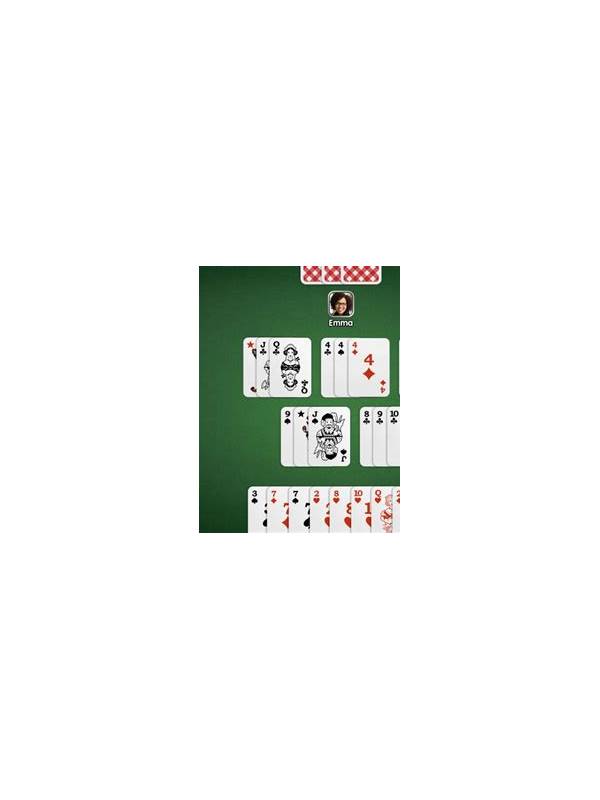
Rummy Tips: Use a Deadline for Every Speculative Pair

A pair can look promising because it needs only one or two cards to become useful. The problem is that waiting for those cards can quietly consume the whole hand. A simple deadline makes the decision more disciplined. You keep the pair while it has a reasonable role, then reassess it at a chosen point.
Start by describing the pair accurately. Two adjacent cards of the same suit may have several sequence extensions. Two cards of the same rank may need another suit for a set. A pair separated by both rank and suit is not a real combination, even if you hope a joker will rescue it. The clearer the description, the easier it is to set a fair deadline.
The deadline can be a number of turns, a change in the discard pile, or the moment your other groups become stronger. For example, you might hold a narrow pair until you have seen two relevant discards. If neither improves the plan, release it. Do not keep moving the deadline simply because the pair has not worked yet.
Compare the pair with its replacement cost. Holding it means another card remains ungrouped or another high card stays in the hand. If keeping the pair blocks a required pure sequence, its deadline should be shorter. If it connects two strong groups and carries low points, you can allow more time.
A deadline is not a prediction that the pair will fail. It is a protection against endless optimism. When the review point arrives, ask whether the pair still has multiple helpful outcomes. If only one exact card can save it, the opportunity cost is probably too high unless the hand is already nearly complete.
Discard information can move the deadline earlier. If several cards that would complete the pair are visible in the discard pile, the plan becomes narrower. If the open pile offers a helpful extension, the pair may deserve one final look. Keep the evidence proportional: a single discard rarely proves that a card is impossible.
The same technique works for a high singleton, an incomplete set, or a joker-dependent structure. Label the idea, define what improvement would justify keeping it, and decide when you will stop waiting. This creates a calm exit before frustration or attachment takes over.
Good rummy decisions are often less about finding a perfect plan than about ending weak plans on time. A deadline gives your promising pair a fair test without allowing it unlimited control over the hand.
Related Post

Rummy Guide: Use a Calm Checklist Before Leaving a Table
A short closing checklist helps confirm results, protect account details, and preserve useful notes after [...]
Rummy Table Review: A Five-Minute Post-Game Routine
A short post-game review can reveal repeatable habits without turning a rummy loss into a [...]