Rummy How-To: Make a One-Minute Table Scan
A brief table scan can improve a rummy decision when several choices look similar. The scan should be selective. Its purpose is to collect facts that affect your hand, not to construct a complete theory about every opponent.
Begin with the visible discard area. Look for cards that complete your requirements, strengthen a flexible route, or reduce an expensive isolated card. If a useful card has already appeared, note that fact before treating its route as ordinary. Avoid staring at the pile so long that you miss the turn or begin inventing patterns unsupported by the visible cards.
Next scan recent opponent actions. Notice only repeated or relevant signals: a player repeatedly rejecting a suit, taking a connected card, or changing pace. One action can have many explanations. Phrase your conclusion as a possibility, such as “this route may be attractive to them,” rather than a certainty. That wording keeps your discard choice proportionate to the evidence.
Return to your own hand and name the top two candidates. Compare their legality impact, flexibility, penalty, and possible table risk. If one card clearly improves your hand, take the improvement. If the candidates are close, prefer the choice with fewer severe consequences. A scan is successful when it makes the decision clearer, not when it produces the most observations.
You can practice the scan with a visible timer, but do not use the timer to create panic. The objective is a repeatable sequence: pile, recent actions, own hand, two candidates. In a slower practice format, explain afterward which fact changed your choice. If no fact mattered, you may have scanned too broadly or allowed weak information to distract you.
Review the process after several hands. Did you miss an available requirement? Did you overreact to one opponent discard? Did the scan cause you to rush? Adjust the length or order accordingly. A one-minute table scan is a support tool, not a replacement for rules knowledge. It works best when it keeps attention on verifiable information and leaves uncertainty in its proper place. If the table moves faster than your scan, shorten it rather than rushing through all four stages. One verified fact about your own requirement is better than several uncertain theories about opponents. You can perform the scan before your turn by watching the pile and recent actions while another player acts. Do not use outside tools or notes that violate the format. A disciplined scan is a small preparation habit that supports calm choices while keeping responsibility for the decision with you.
Related Post
Rummy Tips: Use a Recovery Card in Every Plan
A recovery card gives an incomplete rummy plan a second job when its first expected [...]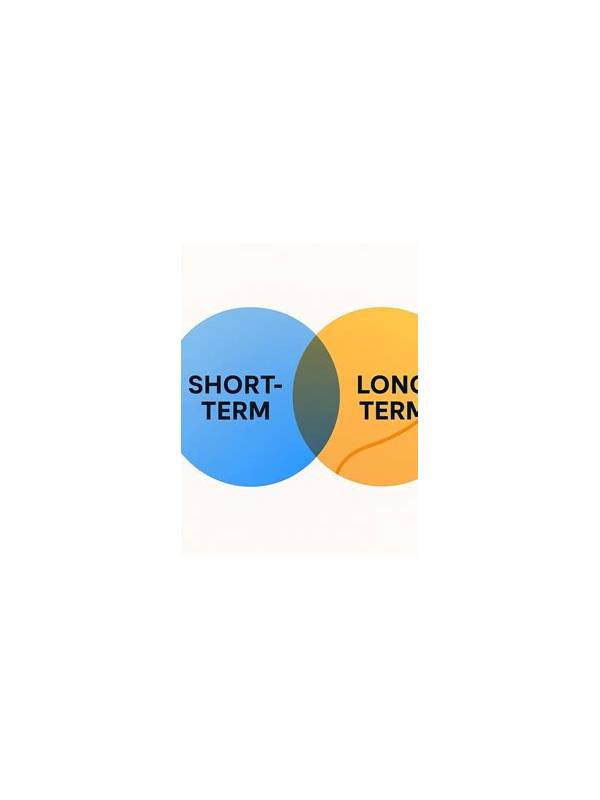
Rummy Comparison: Short-Term Safety Versus Long-Term Potential
Comparing immediate risk reduction with long-term potential helps you choose a discard when no option [...]