Rummy Guide: Use a Counterfactual Discard Test
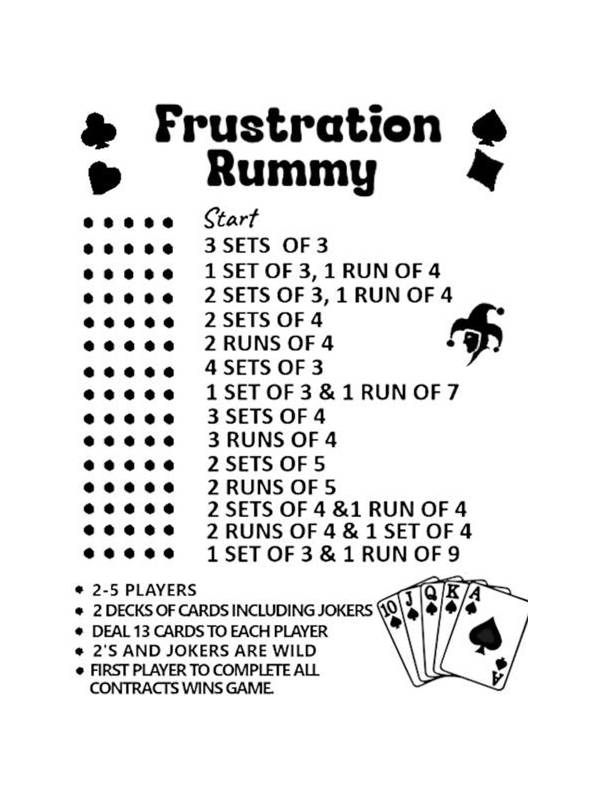
A counterfactual discard test asks what would change if you released a different card. It is a practical way to compare two close candidates without relying on the emotion of the current arrangement. The test is especially useful when every card appears to have a job.
Choose two candidates and temporarily remove each one in turn. For candidate A, identify the groups that remain, the best ordinary improvement, and the most expensive unresolved card. Repeat for candidate B. Do not imagine a perfect draw for one option and an awkward draw for the other. Use the same reasonable next-turn conditions for both.
Then compare four features: legality, direct improvement, flexibility, and penalty exposure. A candidate that preserves a required sequence may deserve protection even if it looks less complete. A candidate that leaves several high cards may be weaker even when it creates a neat pair. If both choices are legal and similar, favor the one with a cleaner fallback.
Include table information carefully. A visible discard can change the likelihood of a route, but it does not reveal an opponent’s complete hand. Treat observations as adjustments, not certainty. The test should still work if the next card is unknown.
Keep the routine short during live play. One breath to remove A, one to remove B, and one sentence for the difference is enough. In practice, you can write a fuller comparison and review whether the stated advantage was structural or merely lucky.
The counterfactual is not a prediction of what would have happened. It is a discipline for seeing the opportunity cost of a discard. Over time, it makes close decisions calmer because you are comparing routes rather than searching for a single magically correct card.
Related Post
Points Rummy or Pool Rummy: Which Format Fits Your Evening?
Comparing time, scoring, and pressure can help players choose between points and pool rummy. [...]
Rummy Comparison: Written Notes Versus Voice Review
Compare two ways to review rummy decisions and choose the format that produces lessons you [...]